An electrical troubleshooting service follows a structured process from the moment you report a problem until power is fully restored. The typical service call includes dispatch confirmation, on-site assessment, diagnostic testing with specialized equipment, problem identification, repair or replacement, and final verification. Most residential calls take between one and three hours depending on issue complexity, while commercial and agricultural systems may require longer investigation.
Why Professional troubleshooting Differs from DIY Diagnosis
Electrical problems rarely present obvious solutions. A tripped breaker might seem simple, but the underlying cause could involve loose connections, overloaded circuits, or deteriorating wiring hidden behind walls. Licensed electricians use voltage meters, thermal imaging cameras, and circuit analyzers to measure what you cannot see.
Attempting your own diagnosis carries real risks. Energized circuits can deliver fatal shocks, and misdiagnosis often leads to temporary fixes that fail within weeks. Professional electricians follow National Electrical Code standards and local regulations that protect both people and property. Their Testing protocols identify root causes rather than just symptoms.
Initial Contact and Service Dispatch
When you call to report an electrical issue, the intake process gathers critical information. The dispatcher asks about specific symptoms: flickering lights, dead outlets, burning smells, tripped breakers, or complete power loss. They note whether the problem affects one room, multiple circuits, or the entire property.
This information helps determine urgency. Complete power outages, burning odors, sparking outlets, and exposed wires warrant emergency response. Intermittent issues or minor inconveniences typically schedule within 24 to 48 hours. The dispatcher confirms your address, provides an estimated arrival window, and explains any preparation steps you should take before the technician arrives.
On-Site Assessment and Safety Check in Greenville
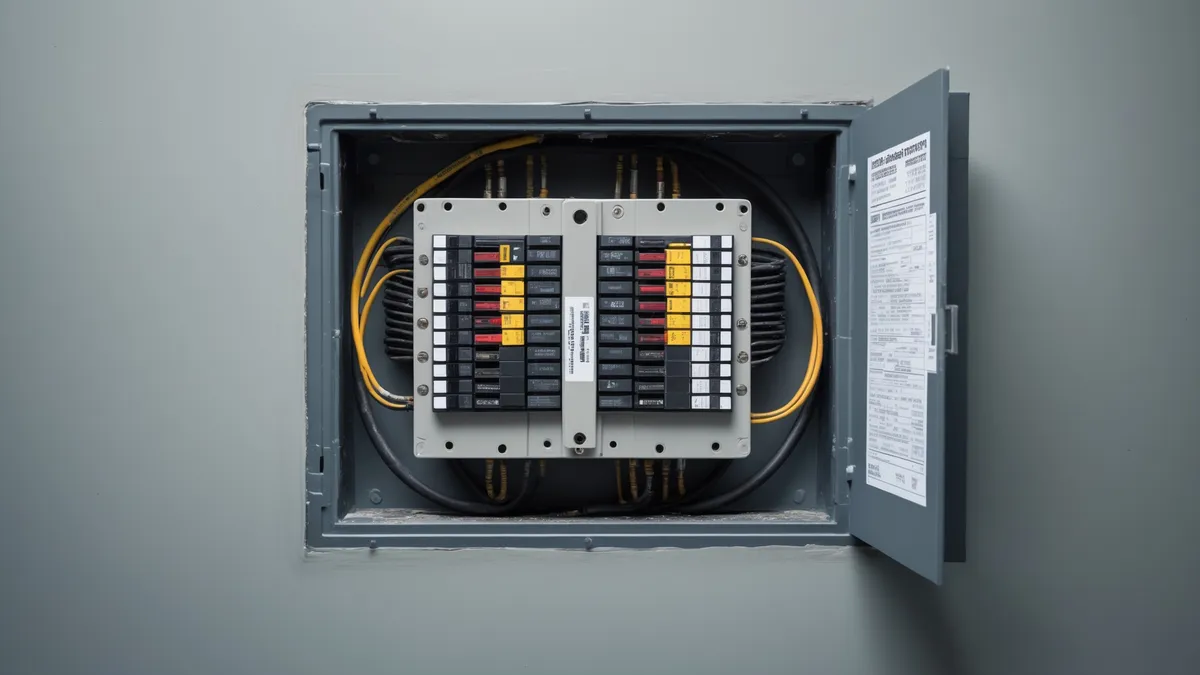
The electrician begins with a visual inspection of your electrical panel, looking for signs of overheating, corrosion, improper modifications, or outdated components. They ask detailed questions about when the problem started, what appliances or systems were running, and whether similar issues occurred before.
Safety comes first. If the situation presents immediate danger, the technician may shut off power to affected circuits or the entire service. They check for water intrusion, damaged insulation, and accessible live wires. In Greenville and surrounding areas, storm damage and humidity-related deterioration appear frequently during inspections.
Systematic Diagnostic testing
Troubleshooting follows a logical sequence. The electrician tests from the service entrance inward, checking voltage at the meter, main panel, sub-panels, and individual circuits. They measure voltage drop, amperage draw, and resistance to identify deviations from normal operating parameters.
For intermittent problems that do not appear during the initial visit, electricians may perform load testing by activating multiple circuits simultaneously. Thermal imaging reveals hot spots invisible to the eye, indicating loose connections or overloaded conductors before they fail completely. This technology proves especially valuable in Commercial electrical work where downtime carries significant cost.
Common Problems and Their Diagnostic Signatures
Certain symptoms point toward specific failures. Flickering lights across multiple rooms often indicate loose service entrance connections or utility company issues. Lights that dim when major appliances start suggest inadequate circuit capacity or high resistance connections.
Repeated breaker trips signal overloaded circuits, ground faults, arc faults, or failing breakers themselves. Dead outlets in a series typically trace to a failed GFCI device or loose wire connection upstream. Burning smells without visible fire demand immediate investigation, as they usually indicate overheating wires or devices approaching failure.
Step-by-Step Problem Isolation
Once the electrician narrows the search area, they isolate the specific component causing trouble. This process involves:
- Disconnecting circuits one at a time to identify which branch contains the fault
- Testing individual outlets, switches, and fixtures along the problem circuit
- Removing cover plates and junction box covers to inspect connections
- Using continuity testers to trace wire paths through walls and ceilings
- Checking wire insulation for damage, age-related brittleness, or rodent activity
- Verifying proper grounding and neutral connections at each point
This methodical approach prevents guesswork and unnecessary part replacement. Experience matters here. An 18-year veteran recognizes patterns that newer technicians might miss, saving both time and money.
Repair Strategy and Parts Availability
After identifying the problem, the electrician explains the issue in plain language and outlines repair options. Simple fixes like tightening connections or replacing a failed outlet happen immediately with parts carried on the service truck. More complex repairs requiring specialty components may need a return visit once parts arrive.
Maccripine Electric Service LLC maintains inventory of common replacement parts for residential, commercial, and agricultural applications. Breakers, receptacles, switches, wire connectors, and basic fixtures typically install same-day. Custom panels, specialty lighting controls, or unusual voltage equipment requires ordering.
Professional repair and Code Compliance
Repairs follow current electrical code even when replacing components in older systems. This sometimes means upgrading from two-wire to three-wire circuits, installing GFCI or AFCI protection, or enlarging boxes to meet fill capacity rules. These upgrades protect you legally and physically, though they may increase repair scope beyond the original estimate.
The electrician secures all connections with proper torque specifications, ensures adequate wire support, and labels circuits clearly. They replace covers, restore power gradually, and monitor system response. Work areas are left clean, with debris removed and furniture returned to original positions. Similar attention to detail appears in every Repair regardless of project size.
Testing and Quality Verification
Before leaving, the electrician performs comprehensive testing. They verify correct voltage at all affected circuits, proper operation of GFCI and AFCI devices, and appropriate amperage draw under load. Outlets receive polarity checks to confirm hot, neutral, and ground connections.
For problems that appeared intermittently, the electrician may run the system through multiple cycles, activating the conditions that previously triggered failure. They document baseline measurements for future reference. This verification process mirrors the thorough approach used during residential electrical testing that identifies hidden safety hazards.
Documentation and Service Records
Professional electricians document every service call. The work order includes problem description, diagnostic findings, parts replaced, labor time, and test results. Photographs of problem areas provide visual records, especially useful for insurance claims or warranty documentation.
You receive a detailed invoice explaining all charges, warranty information for parts and labor, and recommendations for related maintenance. Service records build a history of your electrical system, helping future technicians understand modifications and recurring issues. These records prove invaluable during property sales or when planning upgrades.
Why Experience Matters in Complex troubleshooting
Not all electrical problems yield to standard diagnostic procedures. Intermittent faults, voltage imbalances caused by utility issues, and problems created by amateur modifications require seasoned judgment. An electrician with 18 years of field experience recognizes subtle clues that equipment alone cannot detect.
Complex troubleshooting draws on pattern recognition built through thousands of service calls. That breadth of experience allows quick identification of unusual problems and efficient resolution without extensive trial and error. Whether addressing issues in a single-family home, a commercial facility, or an agricultural operation, depth of knowledge directly impacts both speed and accuracy.
When electrical problems disrupt your home or business, professional troubleshooting delivers safe, lasting solutions backed by code-compliant work and comprehensive testing. The systematic approach ensures nothing gets missed and repairs address root causes rather than temporary symptoms.
Maccripine Electric Service LLC brings over 18 years of troubleshooting experience to residential, commercial, and agricultural properties throughout eastern North Carolina. Our technicians carry the diagnostic equipment and replacement parts needed to resolve most electrical problems in a single visit. Call (252) 813-5015 to schedule your service call and restore safe, reliable power to your property.