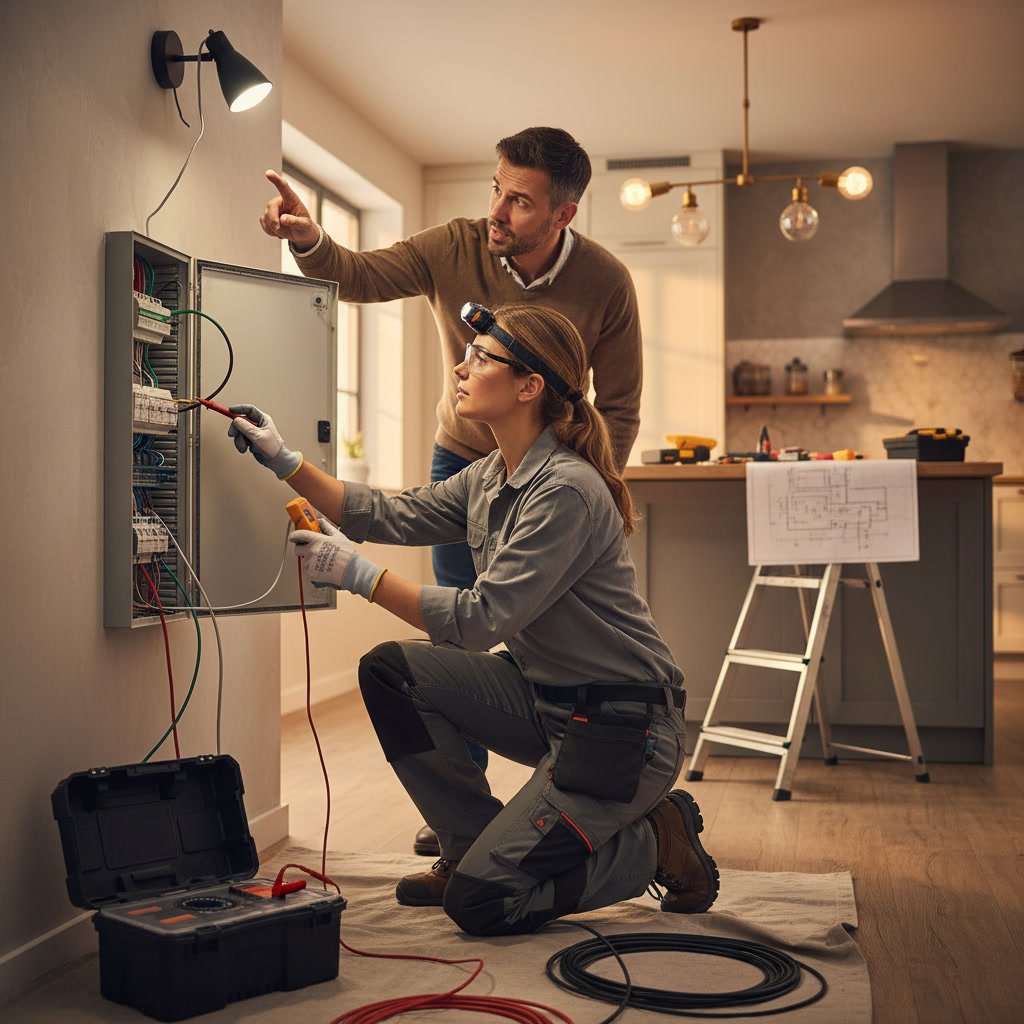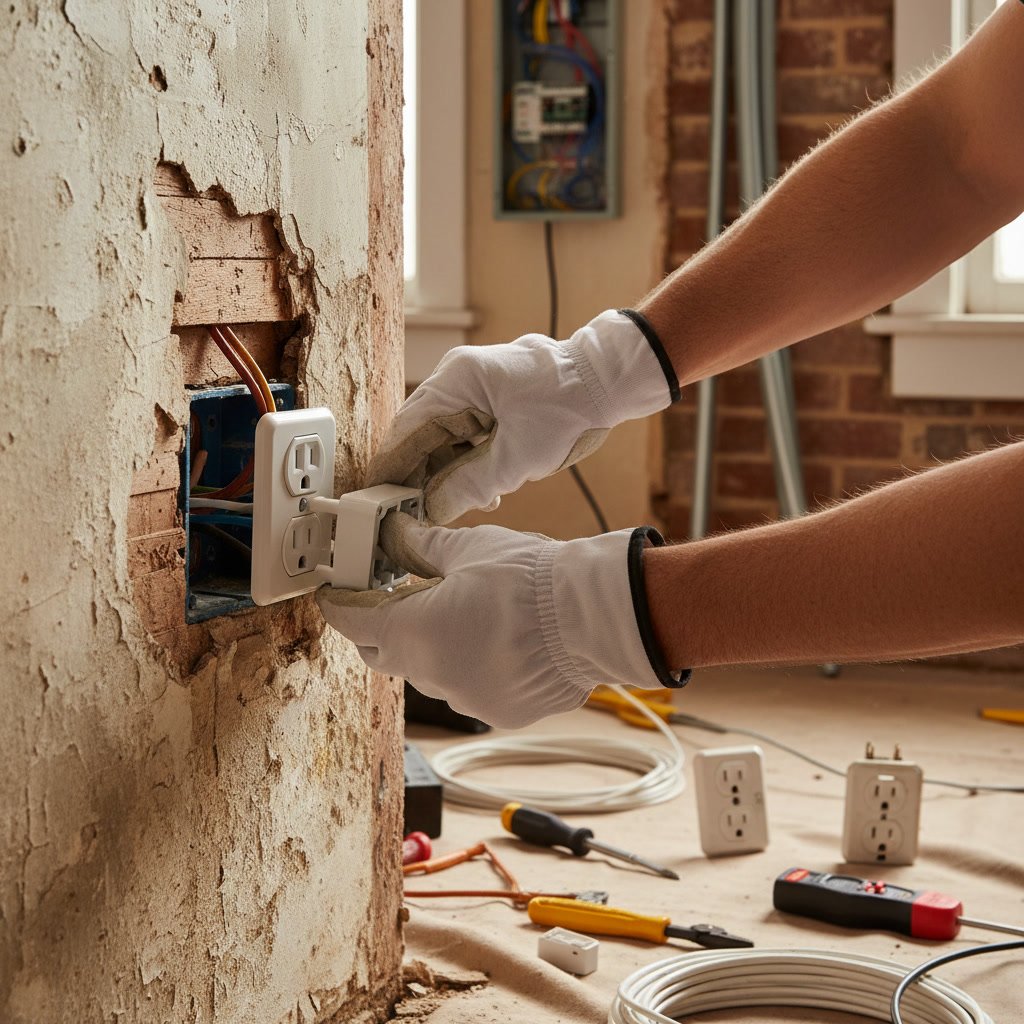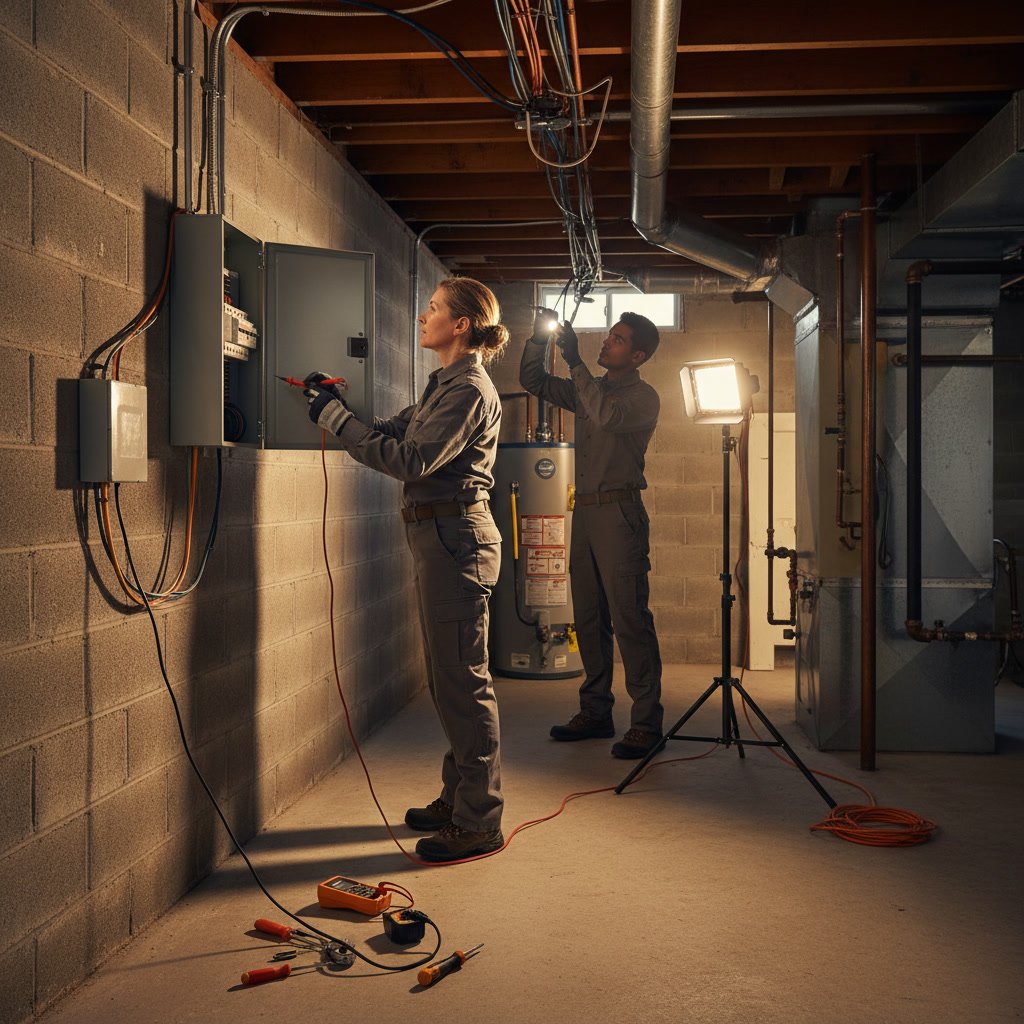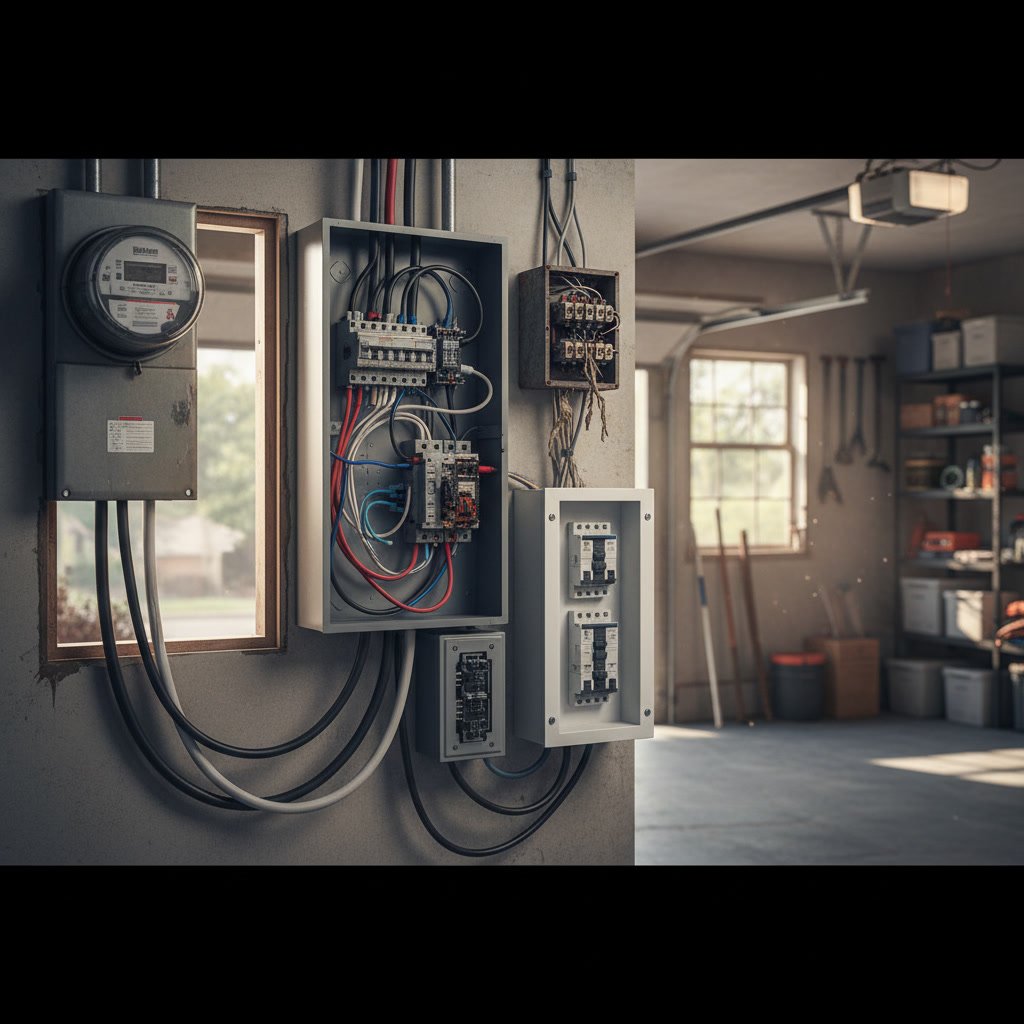
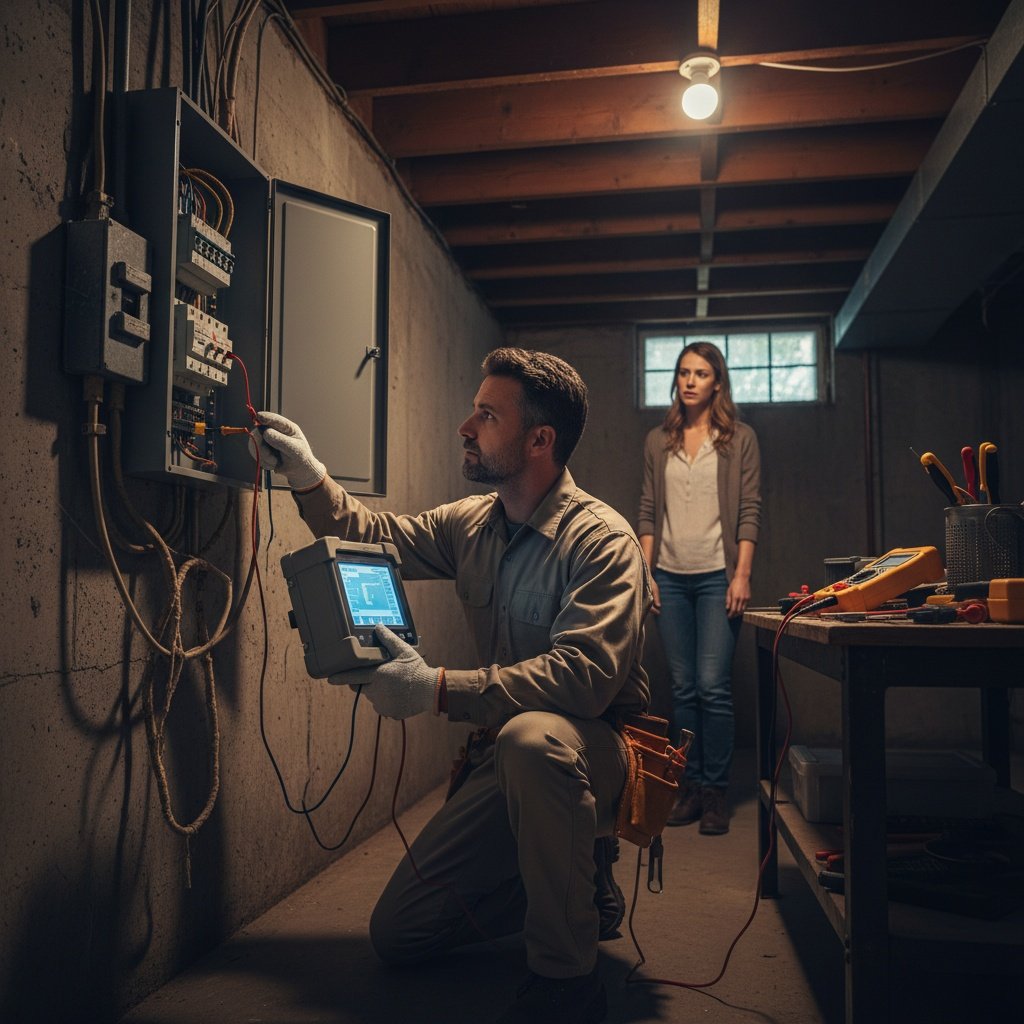
Professional residential electrical testing uses specialized equipment and proven methods to detect dangerous conditions that visual inspections alone cannot find. Licensed electricians measure voltage drops, identify overloaded circuits, test ground fault protection, and examine connections for heat buildup that signals imminent failure. These diagnostic procedures reveal problems like deteriorating wire insulation, improper grounding, outdated panels, and code violations that pose serious fire and shock risks to your family.
Why Visual Inspections Miss Most Electrical Problems
Most electrical hazards develop inside walls, junction boxes, and panel enclosures where homeowners never look. A wire may appear intact from the outside while its internal copper strands have corroded to the point of failure. Connections can loosen over years of thermal cycling, creating high-resistance contact points that generate dangerous heat without tripping any breaker.
Standard home inspections rarely include the diagnostic equipment needed to measure current draw, insulation resistance, or voltage stability under load. An inspector might note visible problems like an outdated panel or missing cover plates, but cannot detect the hidden failures that cause the majority of electrical fires.
The Equipment Professional Electricians Use to Find Hidden Faults
Thermal imaging cameras reveal hot spots in panels, outlets, and wire runs that indicate loose connections or overloaded circuits. These cameras detect temperature differences as small as one degree, showing exactly where electrical resistance is creating heat buildup that could ignite surrounding materials.
Multimeters and clamp-on ammeters measure the actual current flowing through each circuit, comparing it against the rated capacity of the wire and breaker. Many homeowners unknowingly overload circuits by adding devices over the years, never realizing they’ve pushed a 15-amp circuit to carry 20 or 25 amps on a regular basis.
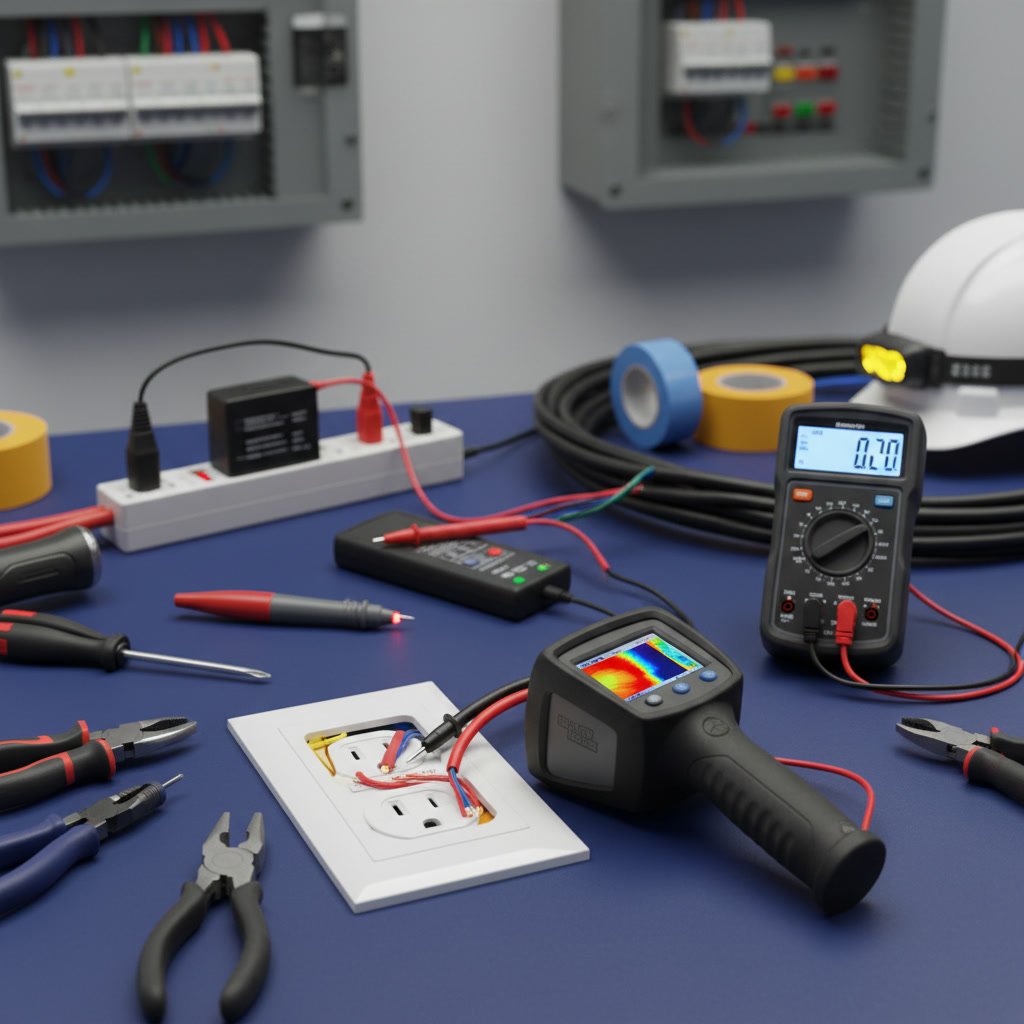
Insulation resistance testers apply high voltage to measure how well wire insulation prevents current leakage. This test identifies deteriorating insulation years before it fails completely, giving you time to address the problem before it creates a shock or fire hazard.
Common Hidden Hazards in Greenville Area Homes
Aluminum wiring installed in homes built between 1965 and 1973 expands and contracts differently than copper, causing connections to loosen over time. These loose connections create arcing and heat that can ignite nearby wood framing. Special testing procedures identify these high-risk connections before they fail.
Federal Pacific and Zinsco electrical panels manufactured before 1990 have documented failure rates significantly higher than modern panels. Breakers in these panels often fail to trip during overload conditions, allowing wires to overheat. Testing reveals whether your panel provides adequate protection or poses a documented fire risk.
Knob-and-tube wiring found in homes built before 1950 lacks a ground wire and uses cloth insulation that deteriorates over decades. Modern testing procedures measure insulation breakdown and identify sections where this outdated wiring system has become dangerous.
How Overloaded Circuits Create Progressive Damage
When a circuit carries more current than its wire gauge was designed to handle, the excess current generates heat in the copper conductor. This heat gradually damages the plastic insulation surrounding the wire, making it brittle and prone to cracking.
The damage accumulates slowly, often over several years. During this time, the breaker may never trip because the overload isn’t severe enough to trigger the thermal or magnetic trip mechanism. Testing measures the actual load on each circuit and compares it to safe operating limits, revealing chronic overload conditions before the insulation fails.
Older homes face particular risk because they were wired for far fewer electrical devices than modern households use. Adding computers, kitchen appliances, and entertainment systems to circuits designed for a few lights and a radio creates sustained overload that testing quickly identifies. Homeowners dealing with older electrical systems should review guidance on upgrading electrical outlets in older homes to understand their options.
Ground Fault Dangers That Standard Breakers Cannot Detect
A ground fault occurs when electrical current finds an unintended path to ground, often through a person who touches a faulty appliance or damaged wire. Standard circuit breakers only detect overcurrent conditions and cannot sense the small current leaks that cause deadly shocks.
Ground fault circuit interrupter (GFCI) devices detect current imbalances as small as 4 to 6 milliamps and shut off power in 25 milliseconds. Testing verifies that existing GFCI outlets and breakers actually function as designed, since these protective devices can fail while still providing power to connected loads.
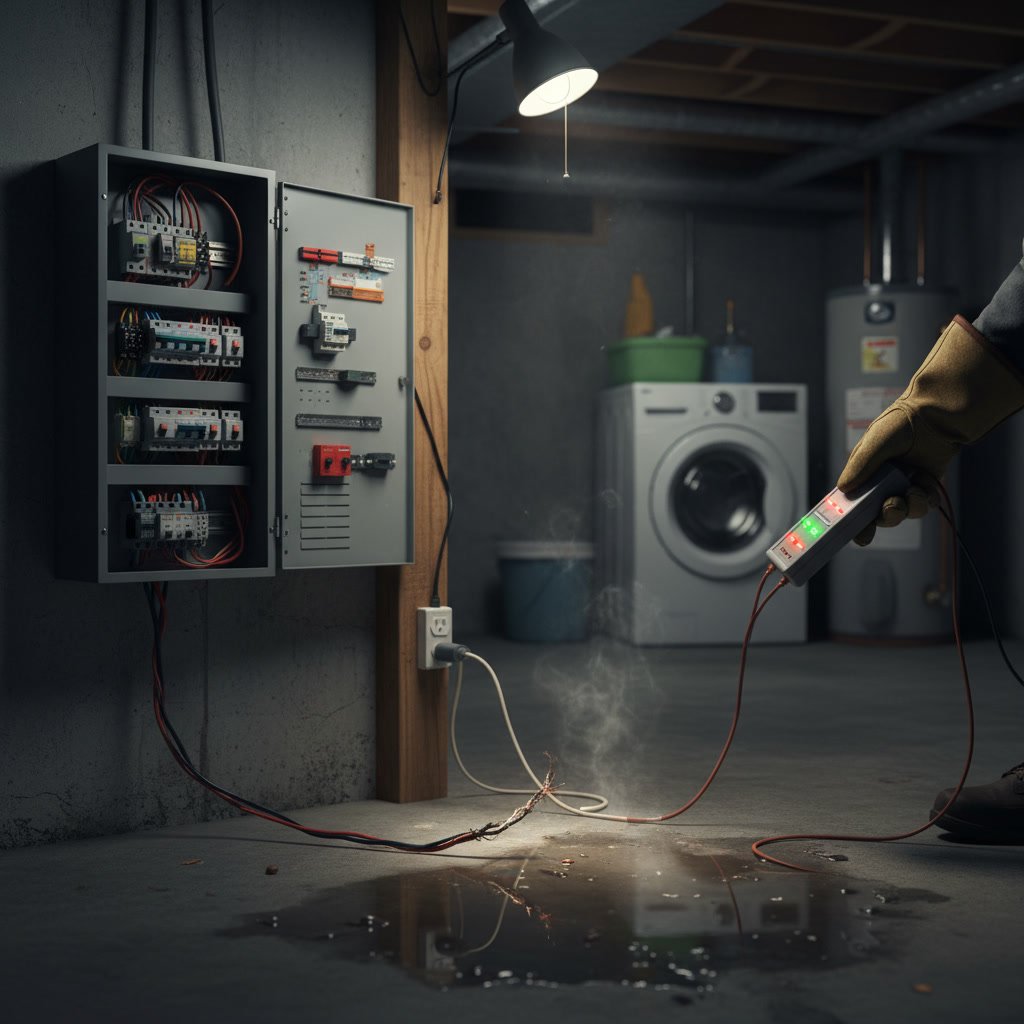
Many homes built before 1990 lack GFCI protection in bathrooms, kitchens, garages, and outdoor areas where water contact creates elevated shock risk. Professional testing identifies these unprotected circuits and recommends targeted upgrades that provide maximum safety benefit for reasonable cost.
Five Critical Tests Every Homeowner Should Know About
Circuit Load Testing measures the actual amperage each circuit draws under typical use conditions. Electricians activate normal household loads and measure current at the panel, identifying circuits operating above 80 percent of rated capacity.
Voltage Drop Testing measures the difference between voltage at the panel and voltage at the furthest outlet on each circuit. Excessive voltage drop indicates undersized wiring, poor connections, or excessive circuit length that reduces appliance performance and increases fire risk.
Ground Continuity Testing verifies that every outlet, fixture, and appliance has a solid connection to the grounding system. Missing or degraded ground connections eliminate the safety path that prevents shock when equipment faults occur.
Arc Fault Detection uses specialized equipment to identify the characteristic signatures of arcing faults that occur when wire insulation breaks down or connections loosen. These arcs generate intense heat in small areas and start fires that standard overcurrent protection cannot prevent.
Panel Capacity Analysis calculates total connected load and compares it to the service entrance rating. This test determines whether your 100, 150, or 200 amp service provides adequate capacity for current needs and planned additions. Understanding your home’s electrical capacity becomes especially important when considering major upgrades, as explained in guidance about knowing if your home needs a full electrical service upgrade.
When Testing Reveals Code Violations and Safety Gaps
Electrical codes evolve continuously as research reveals new safety hazards and better protective methods. Homes wired to standards from 20 or 30 years ago may contain multiple conditions that violate current code requirements.
While existing installations are generally grandfathered under the code in effect when they were built, certain hazardous conditions require correction regardless of age. Missing ground wires in bathroom and kitchen outlets, lack of GFCI protection near water sources, and insufficient number of circuits for connected loads represent safety gaps that testing identifies and prioritizes.
Professional electricians distinguish between conditions that pose immediate danger and those that simply fail to meet current best practices. This prioritization helps homeowners allocate resources to address the most critical safety issues first. Those planning renovations will find detailed information about electrical updates in the context of remodels.
The Connection Between Testing and Insurance Requirements
Insurance companies increasingly require electrical inspections before issuing or renewing homeowner policies, particularly for homes over 40 years old. These insurers have data showing that outdated electrical systems cause a disproportionate number of fire claims.
A professional electrical test provides documentation that satisfies insurance requirements while giving you accurate information about your home’s actual condition. Insurers may offer reduced premiums when testing shows that older systems have been properly maintained or upgraded to current safety standards.
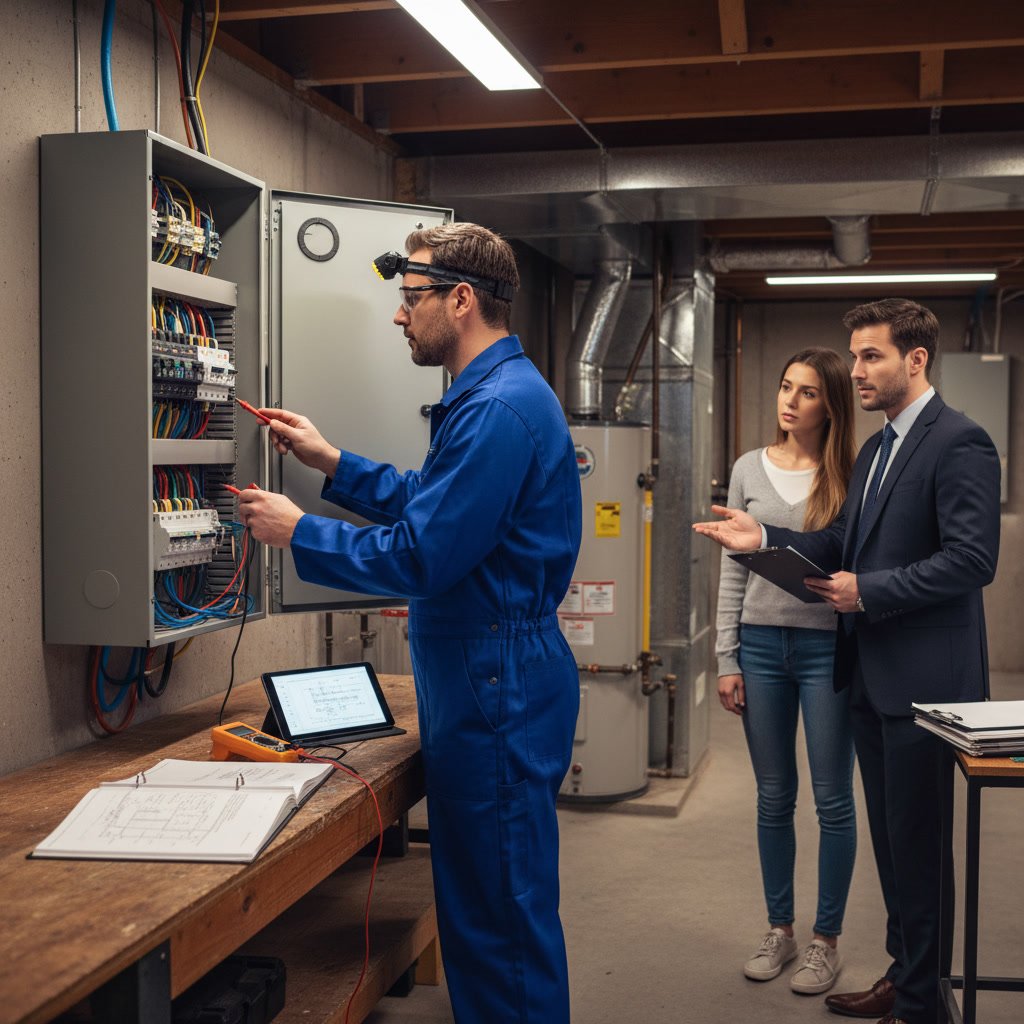
Some insurance companies will not cover homes with specific hazardous conditions like Federal Pacific panels or ungrounded aluminum wiring. Testing identifies these disqualifying conditions before they derail a home sale or insurance renewal, giving you time to address problems proactively rather than under pressure.
How Often Different Homes Need Professional Testing
Homes built before 1990 benefit from comprehensive testing every three to five years. The materials and methods used in older construction degrade at predictable rates, and regular testing catches developing problems while they remain inexpensive to fix.
Newer homes typically need testing only when you notice specific symptoms like frequently tripping breakers, flickering lights, warm outlets, or burning smells. However, any home should be tested before purchase, after major weather events, and when planning significant electrical additions like service upgrades or whole-house generators.
Homes with additions or renovations completed by unknown contractors warrant testing regardless of age. Unlicensed work often contains hidden defects that create safety hazards even when everything appears to function normally.
What Testing Results Mean for Your Next Steps
Test results typically categorize findings into three priority levels: immediate safety hazards requiring prompt correction, conditions that should be addressed within the next year, and recommendations for optimal performance that can be deferred to future projects.
Immediate hazards might include overheated connections, missing ground fault protection in wet areas, or panels operating beyond rated capacity. These conditions create real risk of fire or shock and justify urgent attention.
Medium-priority items often include overloaded circuits, outdated panels that still function but lack modern safety features, and missing surge protection. These conditions degrade system reliability and safety margins without posing imminent danger.
Long-term recommendations might suggest adding dedicated circuits for major appliances, upgrading to LED lighting for energy efficiency, or installing whole-house surge protection. These improvements enhance performance and convenience rather than addressing active safety concerns.
Protecting Your Family Through Professional Assessment
Electrical hazards give no warning before they cause fires or injuries. The deterioration happens silently behind walls and inside enclosures where you cannot see the developing problem. Professional testing provides the only reliable method to identify these hidden dangers before they harm your family or destroy your property.
The modest cost of comprehensive testing delivers enormous value by revealing problems while they remain manageable. Replacing a few deteriorated connections costs far less than repairing fire damage, and takes minutes compared to the months required to rebuild after a serious electrical fire.
Maccripine Electric Service LLC brings over 18 years of experience to every electrical assessment, using current diagnostic technology to find problems other inspections miss. Our systematic approach examines every component of your electrical system, from the service entrance to the furthest outlet, identifying hazards and providing clear recommendations prioritized by safety impact.
Schedule a comprehensive electrical safety assessment to gain peace of mind about your home’s electrical system. Our licensed electricians serve homeowners throughout eastern North Carolina with thorough testing and honest recommendations. Contact us at +12528135015 to arrange your electrical safety evaluation.