When you call for an electrical repair service, a trained electrician arrives at your home, diagnoses the problem using specialized tools, identifies the root cause, and completes the necessary repairs to restore safe electrical function. Most service calls follow a consistent process that ensures thorough evaluation and lasting solutions. The entire visit typically takes between one and four hours depending on the complexity of the issue.
Why Understanding the Repair Process Matters
Electrical problems rarely announce themselves with clear explanations. A tripped breaker might stem from an overloaded circuit, a failing appliance, or deteriorating wiring inside your walls. Knowing what to expect during a professional service call helps you ask better questions, recognize quality work, and understand the value of proper diagnosis before repair.
Many homeowners attempt DIY fixes that mask symptoms without addressing underlying issues. Professional electricians bring diagnostic equipment, code knowledge, and pattern recognition developed over thousands of service calls. This expertise prevents recurring problems and identifies safety hazards that might not be immediately obvious.
The Initial Phone Call and Scheduling in Greenville
Your service call begins with the initial contact. During this conversation, the office will ask specific questions about your electrical issue: when it started, what symptoms you notice, whether any recent changes occurred in your home, and if the problem affects specific rooms or your entire electrical system.
This information helps the electrician arrive prepared with the right tools and common replacement parts. For example, if you mention flickering lights in multiple rooms, the technician knows to bring testing equipment for voltage fluctuations and connection integrity. If you describe a burning smell near an outlet, they’ll prepare for potential wiring damage or overheating components.

What Happens When the Electrician Arrives
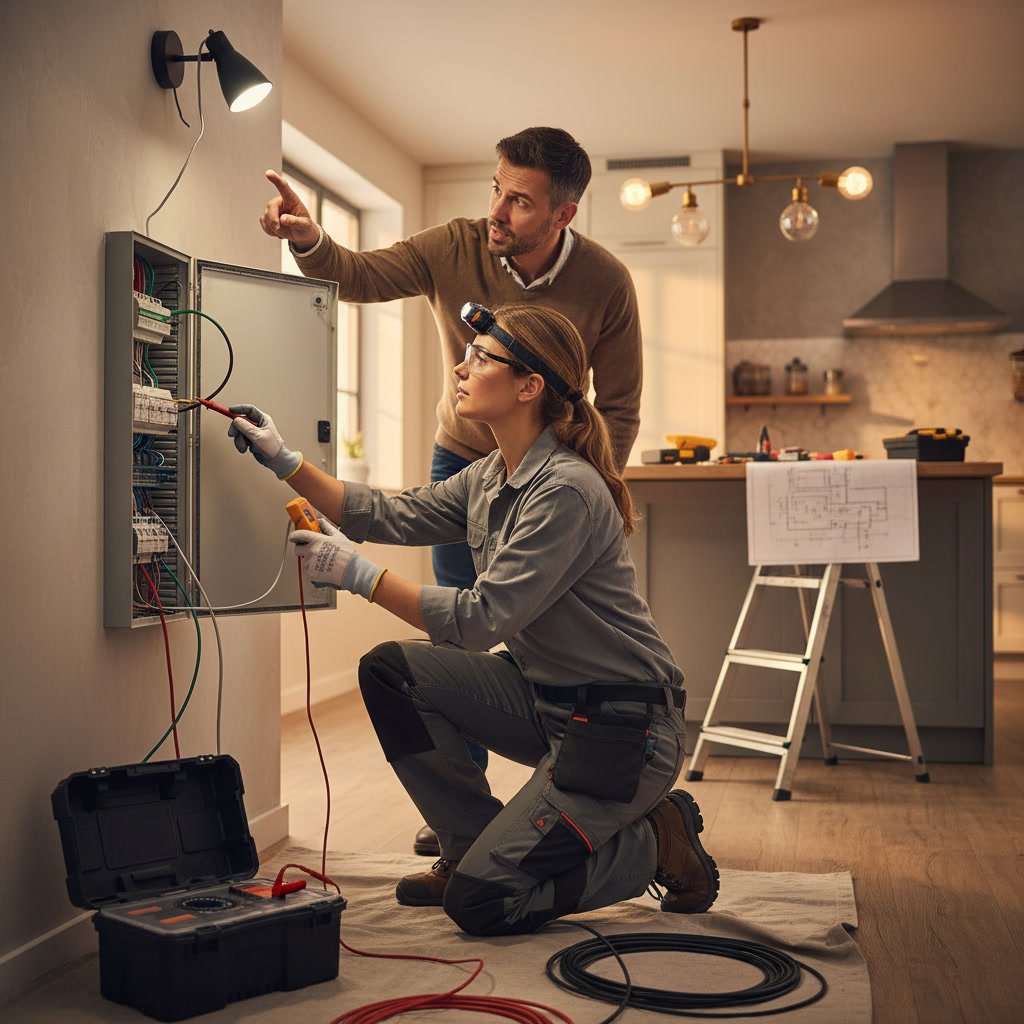
The technician will introduce themselves, verify the problem you described, and ask follow-up questions. They’ll want to see the affected area and may request access to your electrical panel. Most electricians will put on shoe covers and lay down drop cloths to protect your floors, especially if they need to access multiple areas of your home.
Before starting any work, a professional will explain what they plan to do during the diagnostic phase. This transparency builds trust and helps you understand why certain steps are necessary. They may also ask about your home’s age, any previous electrical work, and whether you’ve noticed similar problems in the past.
The Five-Step Diagnostic Process
Professional troubleshooting follows a systematic approach that moves from simple observations to detailed testing:
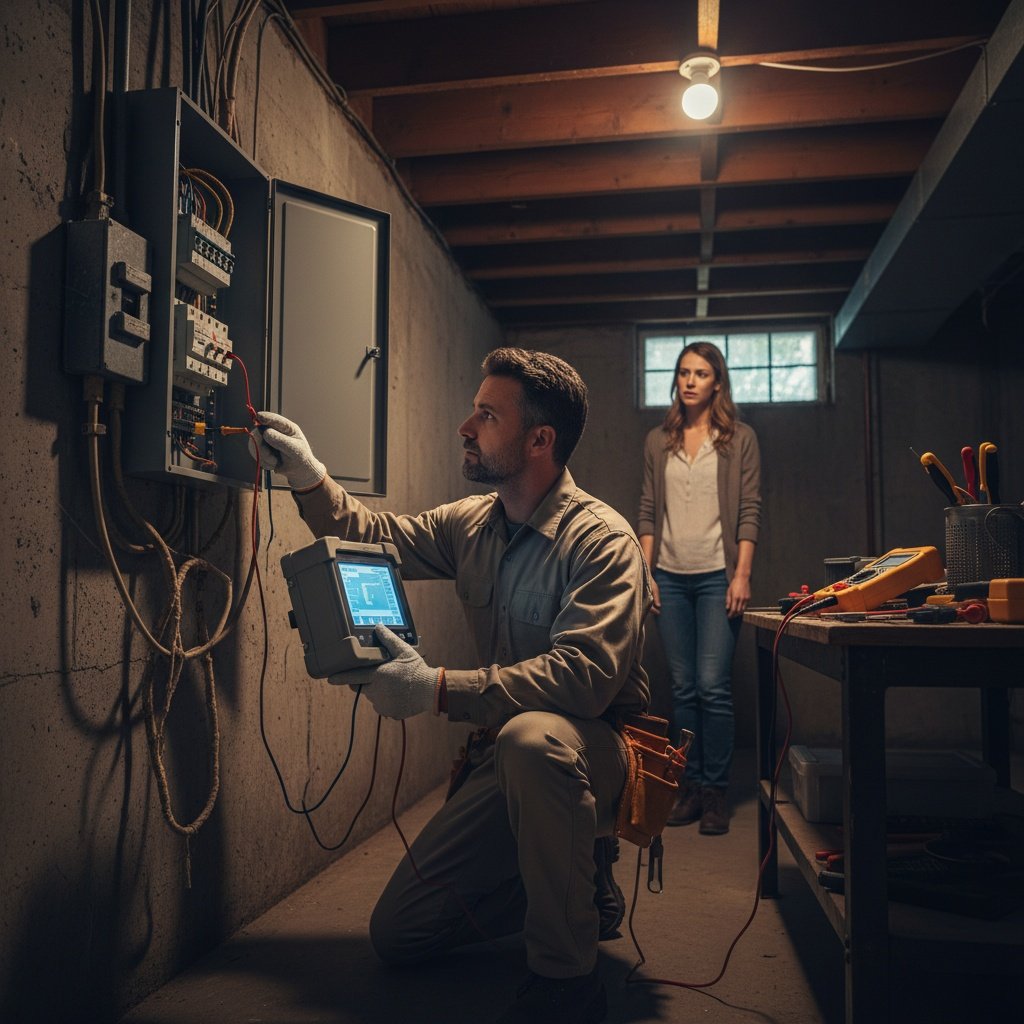
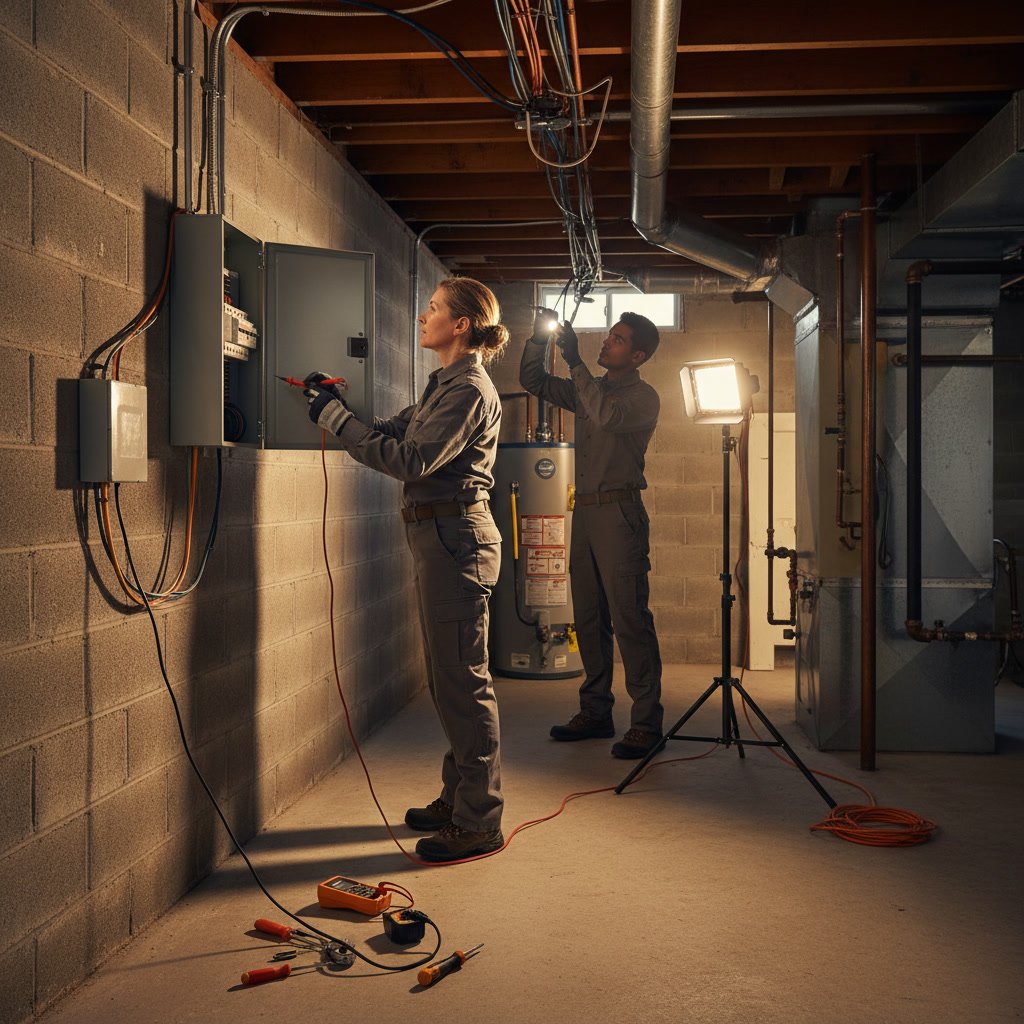
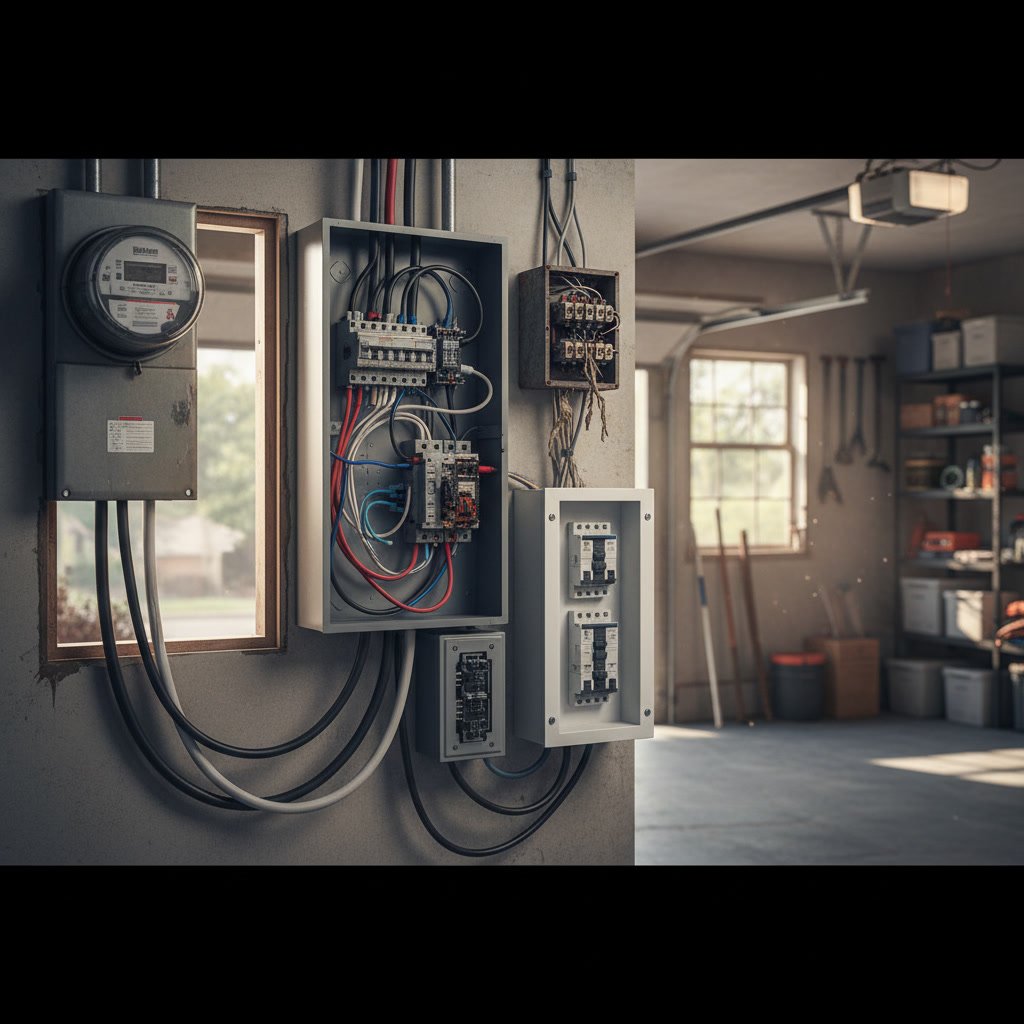
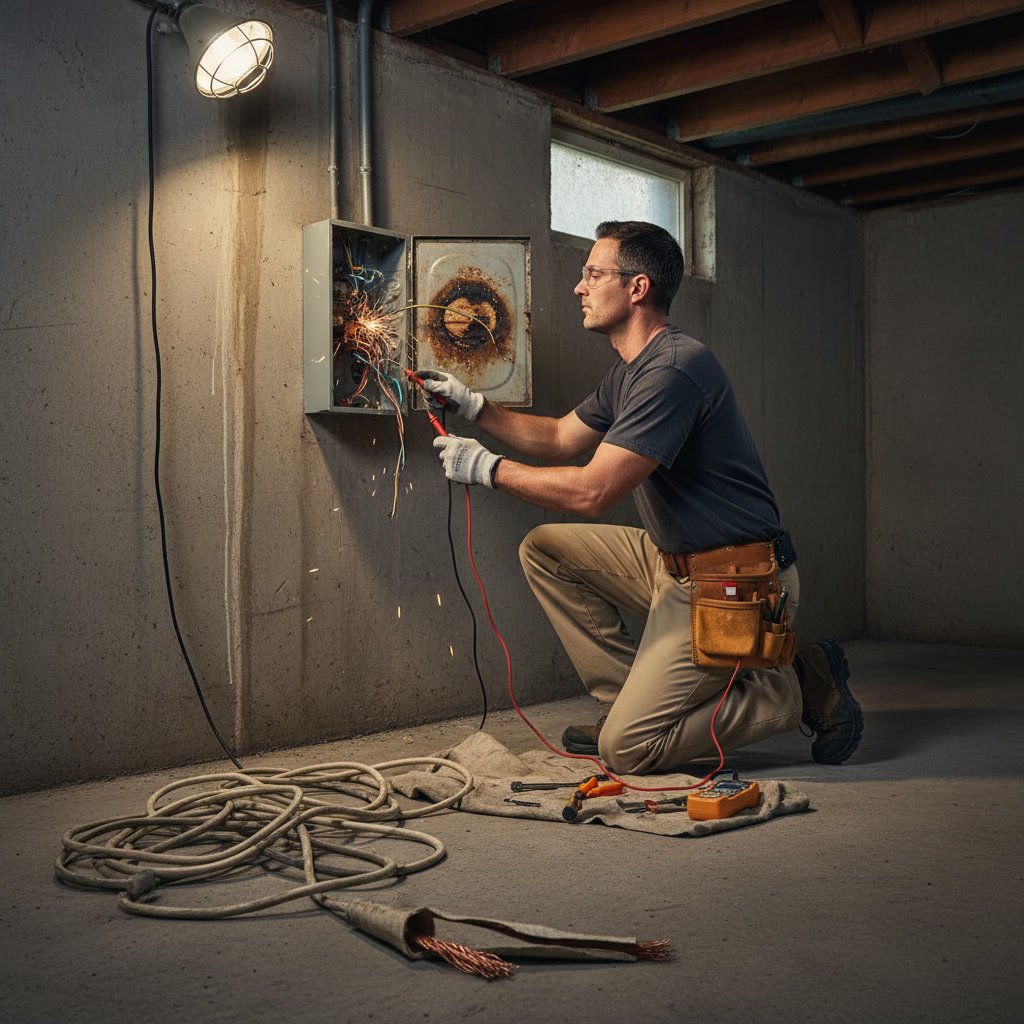
Step 1: Visual Inspection. The electrician examines the problem area for obvious signs like scorching, loose connections, damaged insulation, or improperly installed components. They’ll check your electrical panel for tripped breakers, corrosion, or outdated equipment.
Step 2: Circuit Mapping. If the problem isn’t immediately apparent, the technician identifies which circuit serves the affected area and traces its path. This reveals whether multiple rooms share a circuit or if the issue is isolated.
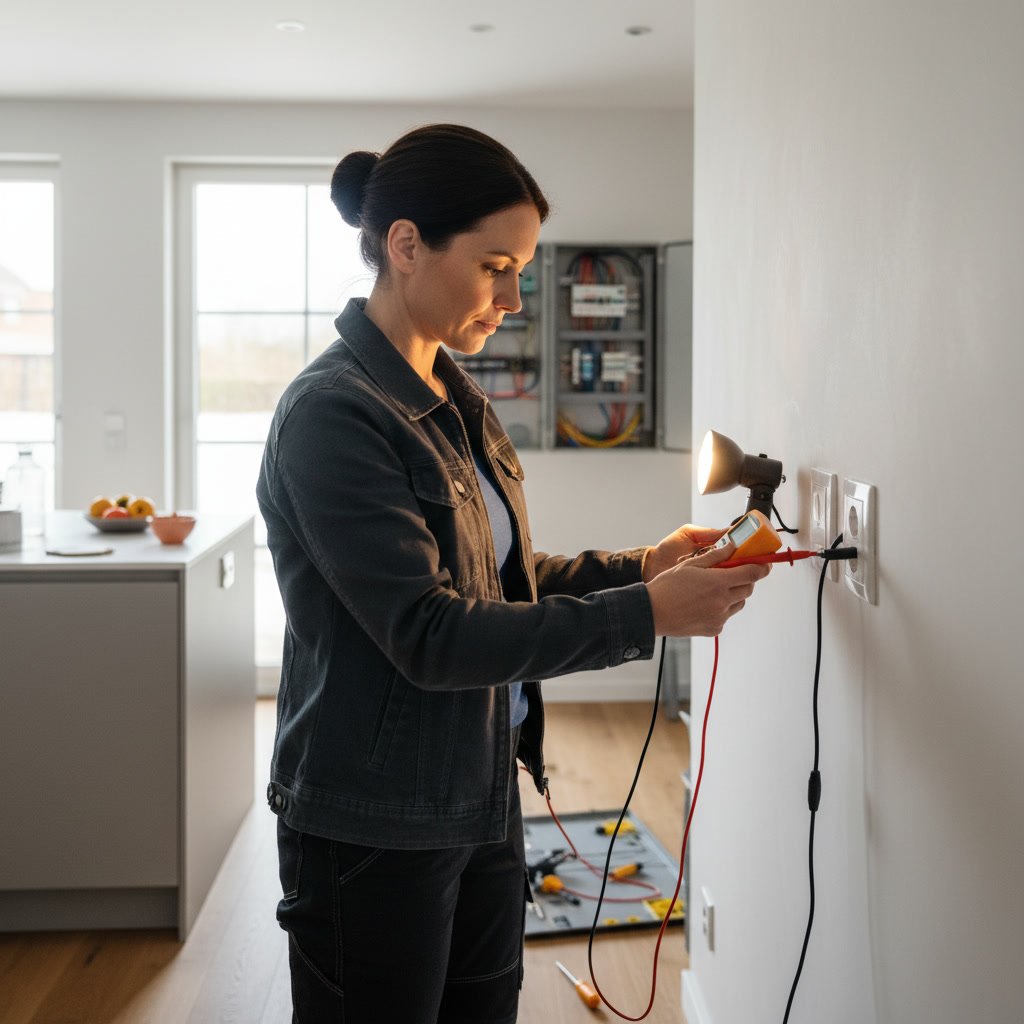
Step 3: Voltage and Continuity Testing. Using a multimeter and other specialized equipment, the electrician measures voltage at various points to detect drops, surges, or interruptions. Continuity testing confirms whether electrical pathways are complete or broken.
Step 4: Load Analysis. For problems involving tripped breakers or dimming lights, the technician calculates the total amperage draw on the circuit. Many homes built before 2000 have circuits rated for 15 amps serving areas that now demand 20 or more amps due to added appliances and devices.
Step 5: Root Cause Identification. After gathering data, the electrician determines whether you’re dealing with a simple component failure, a code violation from previous work, deteriorating materials, or a design problem requiring system upgrades.
Common Problems Discovered During Service Calls
Electricians encounter certain issues repeatedly across residential properties. Loose wire connections account for nearly 30% of service calls and can cause intermittent power loss, flickering lights, and overheating that leads to fire hazards. These connections loosen over time due to thermal expansion and contraction.
Overloaded circuits represent another frequent finding. A kitchen circuit serving the refrigerator, microwave, and coffee maker simultaneously can trip repeatedly, especially if the wiring is rated for only 15 amps. This situation often requires adding dedicated circuits or a complete service upgrade if your panel lacks capacity.
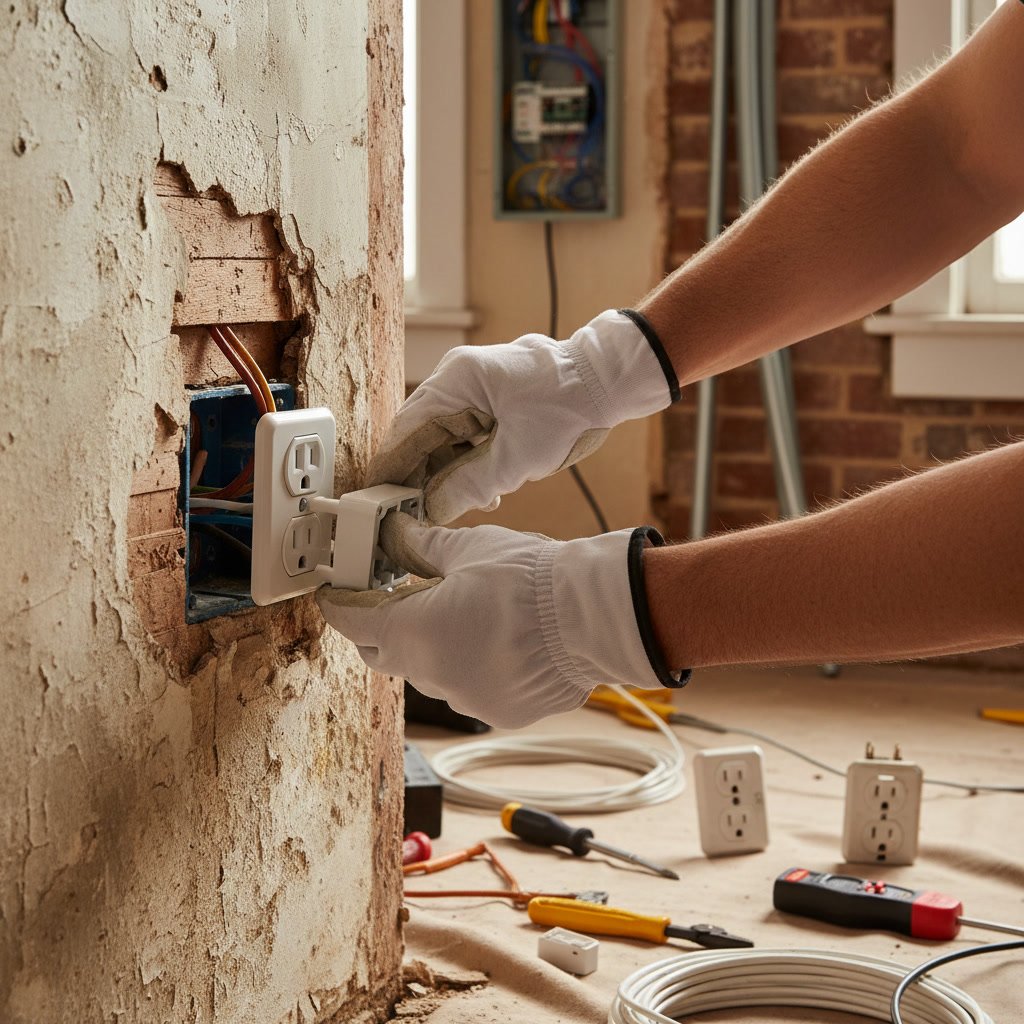
Outdated or damaged outlets and switches fail more often in homes over 20 years old. The internal mechanisms wear out, plastic becomes brittle, and connections corrode. If your home still has older outlets that don’t accommodate three-prong plugs, upgrading electrical outlets in older homes becomes a safety priority.
Explaining the Repair Options and Costs
After diagnosis, the electrician presents their findings and recommends solutions. A quality professional will explain the problem in plain language, show you the affected components when possible, and outline repair options with different scopes and price points.
For example, if a failing outlet is the immediate problem but the electrician notices your entire home uses outdated two-prong outlets without proper grounding, they might recommend fixing the immediate issue now while planning a phased upgrade over time. This approach respects your budget while addressing safety concerns systematically.
Transparent pricing includes labor, materials, and any required permits. Electricians calculate time based on the complexity of access, the number of connections to make, and whether walls or ceilings need opening. Material costs vary depending on whether you’re replacing standard components or upgrading to higher-quality alternatives.
The Repair Work Itself
Once you approve the work, the electrician begins by shutting off power to the affected circuit at the breaker panel. They verify the circuit is de-energized using a non-contact voltage tester before touching any wires. This safety step is non-negotiable for professional work.
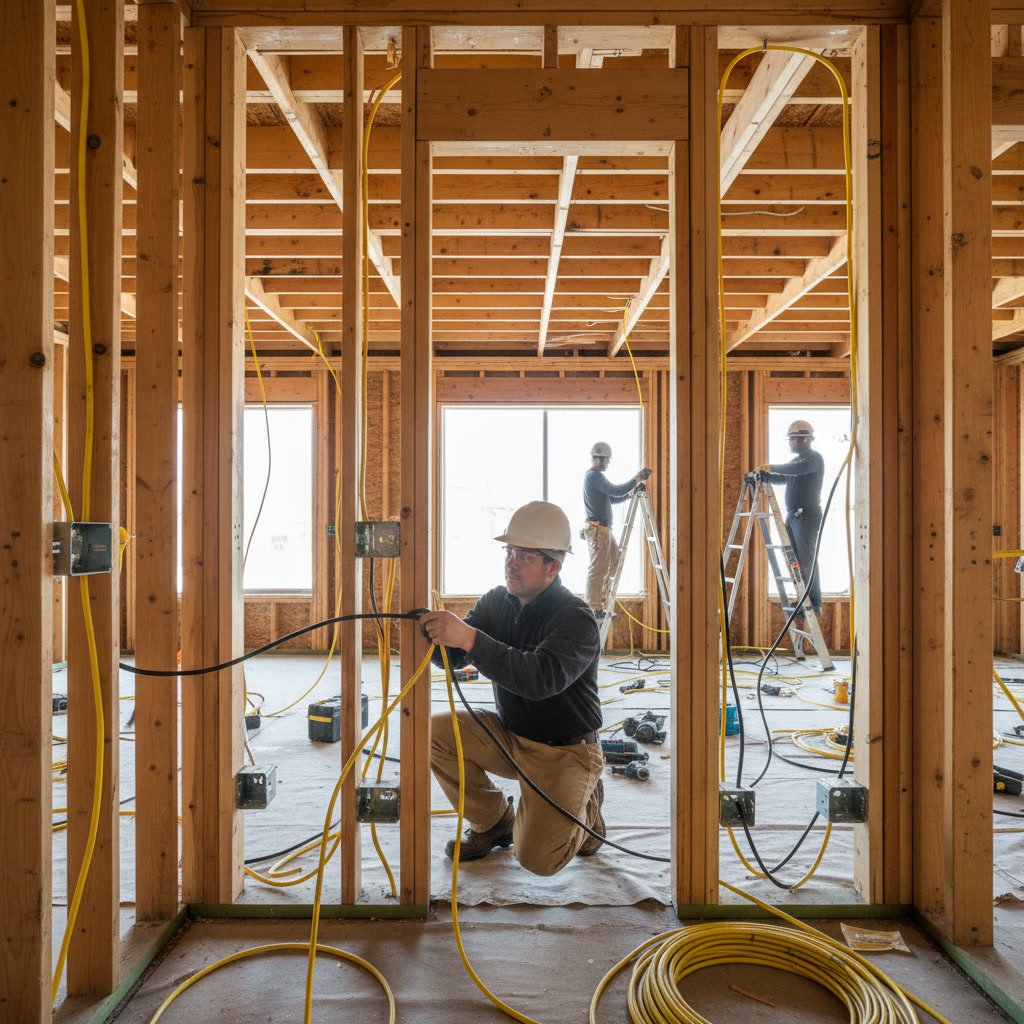
Repair work might involve replacing damaged wire sections, tightening connections, installing new outlets or switches, upgrading circuit breakers, or correcting code violations from previous amateur repairs. The electrician works methodically, ensuring each connection is secure and properly insulated.
Throughout the repair, professionals follow current National Electrical Code requirements even when fixing older installations. This means you might see updates to junction box covers, wire securing methods, or grounding practices that weren’t standard when your home was built. These improvements enhance safety and bring your system closer to modern standards.
Testing and Verification After Repairs
Completing the physical repair is only part of the process. Before considering the job finished, the electrician performs comprehensive testing to verify the repair solved the problem and created no new issues.
This verification includes energizing the circuit, measuring voltage at the repaired location, testing all affected outlets and fixtures, and confirming proper operation under load. For outlet replacements, this means testing with actual appliances. For lighting circuits, all switches and fixtures receive functional checks.
The electrician also inspects their work area to confirm all connections are secure, junction boxes are properly covered, and no exposed wiring remains. They’ll restore any covers, plates, or panels they removed during diagnosis and repair.
Documentation and Recommendations
Professional electricians document their findings, the work performed, and any additional recommendations for your home’s electrical system. This documentation serves multiple purposes: it creates a service history for your property, provides information for future electricians, and helps you plan for upcoming electrical needs.
The technician might note concerns that don’t require immediate attention but deserve monitoring. For instance, they might observe that your electrical panel is approaching capacity, which would become relevant if you plan to add a shop or shed with electrical wiring or install new major appliances.
Quality service providers also explain what to watch for in the coming weeks. If they repaired a circuit that was overloaded, they’ll advise you on how to distribute your electrical usage differently to prevent recurrence.
Cleanup and Final Walkthrough
Before leaving, the electrician cleans their work area, removes all debris, and ensures your home looks as it did before they arrived. They’ll collect any packaging materials, wire scraps, and old components unless you want to keep the failed parts for reference.
The final walkthrough gives you an opportunity to ask questions, see the completed work, and understand what changed. The electrician will demonstrate that the problem is resolved and explain any new components or modifications. This is also when they’ll review any warranty information on parts and labor.
Getting Quality Service When You Need It
Understanding the complete process from initial call to final testing helps you recognize the difference between rushed patch jobs and thorough professional service. Quality repair work addresses root causes, follows current codes, and includes proper documentation and testing. The time invested in diagnosis prevents recurring problems and identifies safety issues before they become emergencies.
When electrical problems arise in your home, knowing what to expect during the service call reduces stress and helps you make informed decisions about repairs and upgrades. The systematic approach from diagnosis through testing ensures your electrical system operates safely and reliably for years to come.
Maccripine Electric Service LLC brings over 18 years of experience to every residential electrical service call throughout eastern North Carolina. Whether you’re dealing with a single malfunctioning outlet or need comprehensive system evaluation, our technicians follow the complete diagnostic and repair process to deliver lasting solutions. Call +12528135015 to schedule your service appointment and experience the difference that thorough, professional electrical work makes.