A residential electrical safety inspection is a thorough examination of your home’s electrical system to identify hazards, code violations, and potential failures before they cause fires, shocks, or equipment damage. Licensed electricians check everything from your main service panel to individual outlets, looking for worn components, improper installations, and safety risks that homeowners rarely notice until something goes wrong.
Why Your Home Needs a Professional Electrical Assessment
Most homeowners never think about the electrical system hidden inside their walls until the lights stop working or a breaker trips repeatedly. Your electrical system works 24 hours a day, seven days a week, powering everything from refrigerators to phone chargers. Over time, connections loosen, insulation breaks down, and components that were installed decades ago become safety hazards.
Insurance companies often require inspections for older homes, and many real estate transactions depend on a clean electrical report. More importantly, regular inspections catch problems that lead to house fires, with electrical failures causing an estimated 13% of all home fires according to the National Fire Protection Association. Residential electrical work performed by licensed professionals ensures your system meets current safety standards.
When You Should Schedule an Inspection
Certain situations make an inspection essential rather than optional. Buying or selling a home tops the list, as buyers want assurance the electrical system is safe and sellers want to avoid deal-breaking surprises. Homes built more than 40 years ago should be inspected even if they seem fine, because wiring methods and materials from that era often fail modern safety standards.
You should also schedule an inspection if your home uses fuses instead of circuit breakers, if you notice frequent breaker trips, if outlets feel warm to the touch, or if lights flicker when appliances start. Renovations and additions require inspections to verify the existing system can handle new electrical loads. Planning to add a major appliance like a hot tub or electric vehicle charger also calls for a professional assessment.
The Main Service Panel Gets Careful Attention
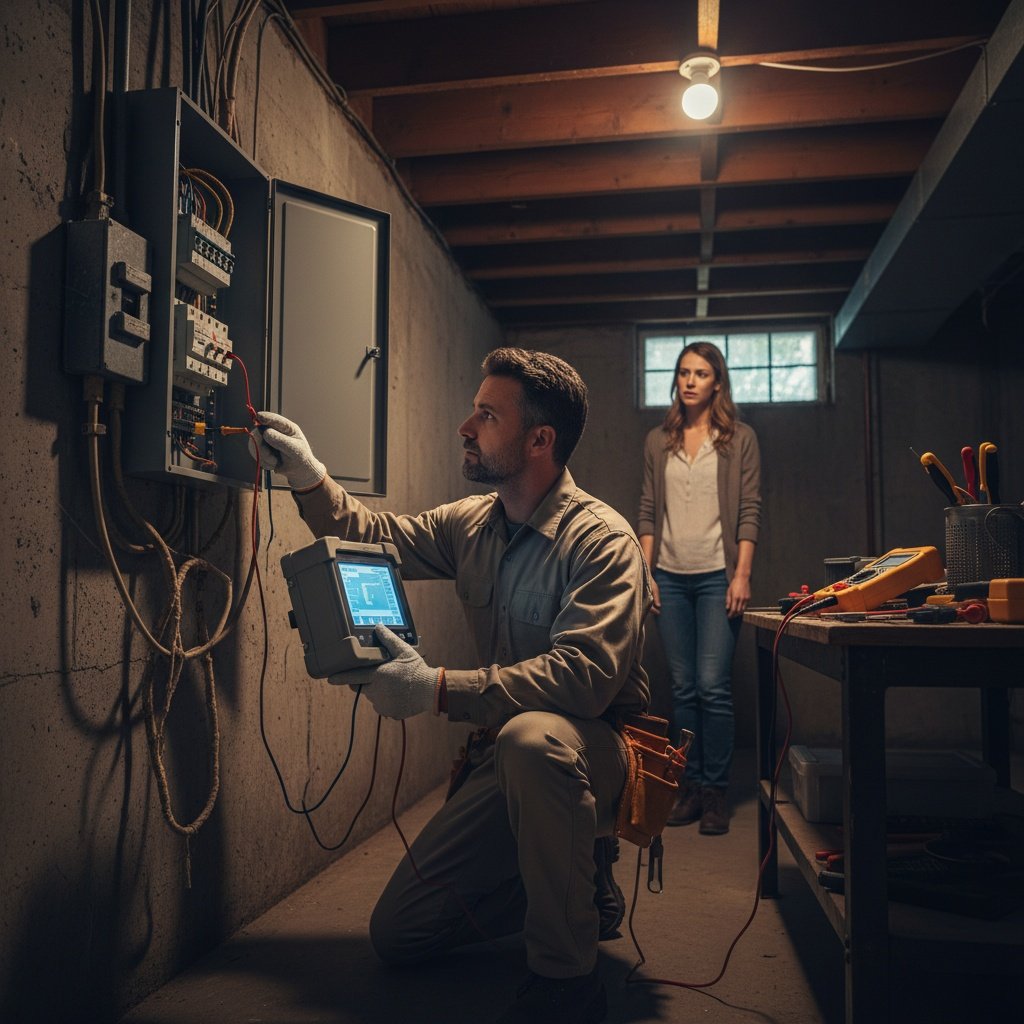
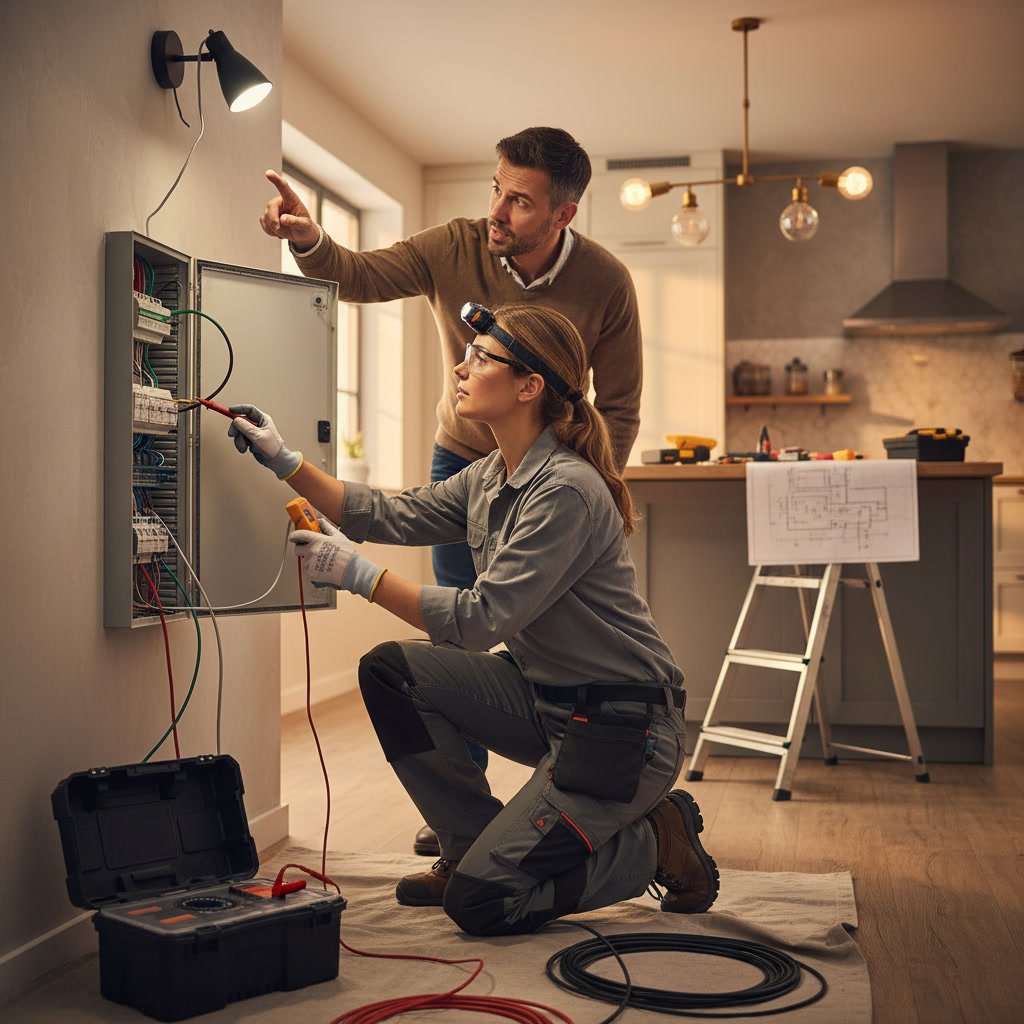
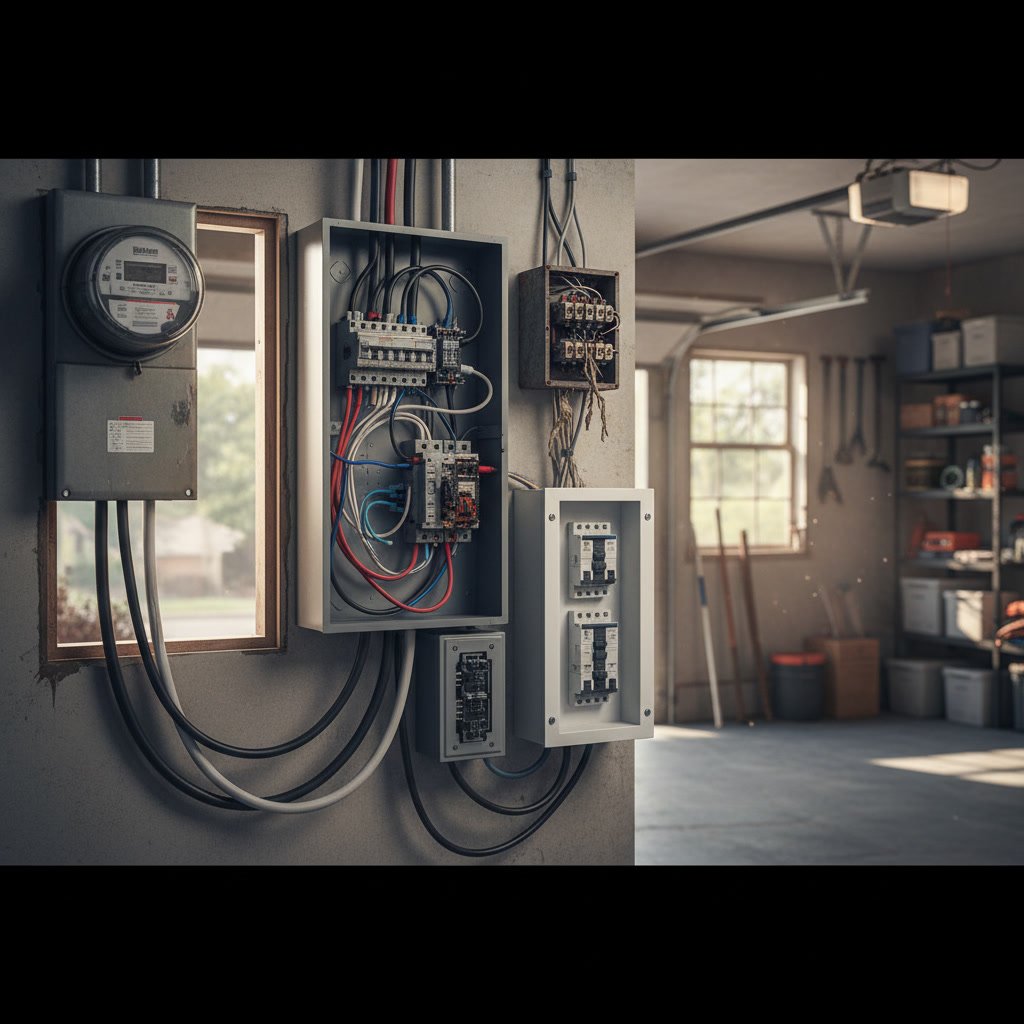
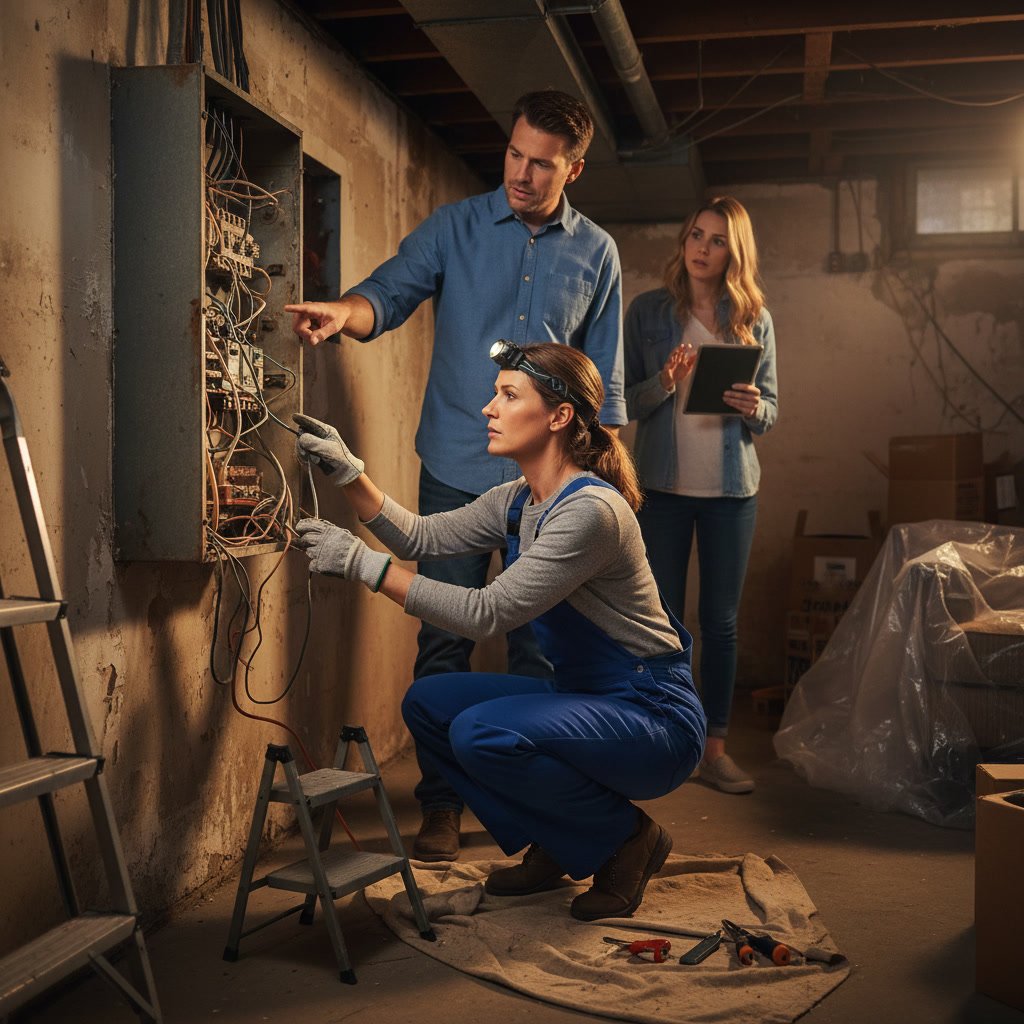
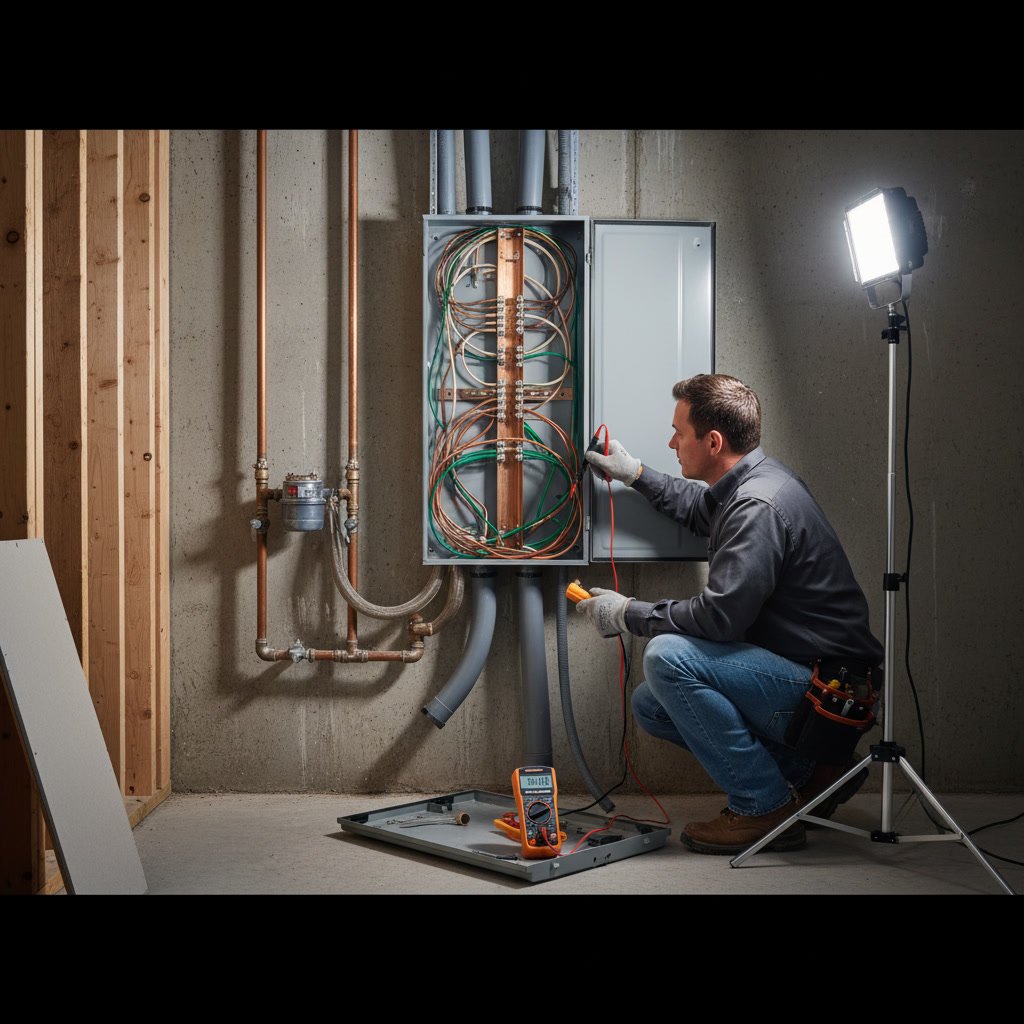
Your main electrical panel is the heart of your home’s electrical system, and inspectors spend significant time examining it. They check that the panel is properly sized for your home’s electrical load, typically 100, 150, or 200 amps for most single-family homes. The inspector looks for signs of overheating like discolored breakers or burn marks, which indicate dangerous conditions that could cause panel failure or fire.
Each circuit breaker gets tested to verify it trips at the correct amperage. Inspectors also check that circuits are properly labeled so you can quickly shut off power in an emergency. They look for double-tapped breakers, where two wires connect to a single breaker not designed for that purpose, creating a fire hazard many homeowners never notice. If your panel needs upgrading, service upgrades bring your electrical capacity up to modern standards.
What Inspectors Look for in Wiring and Connections
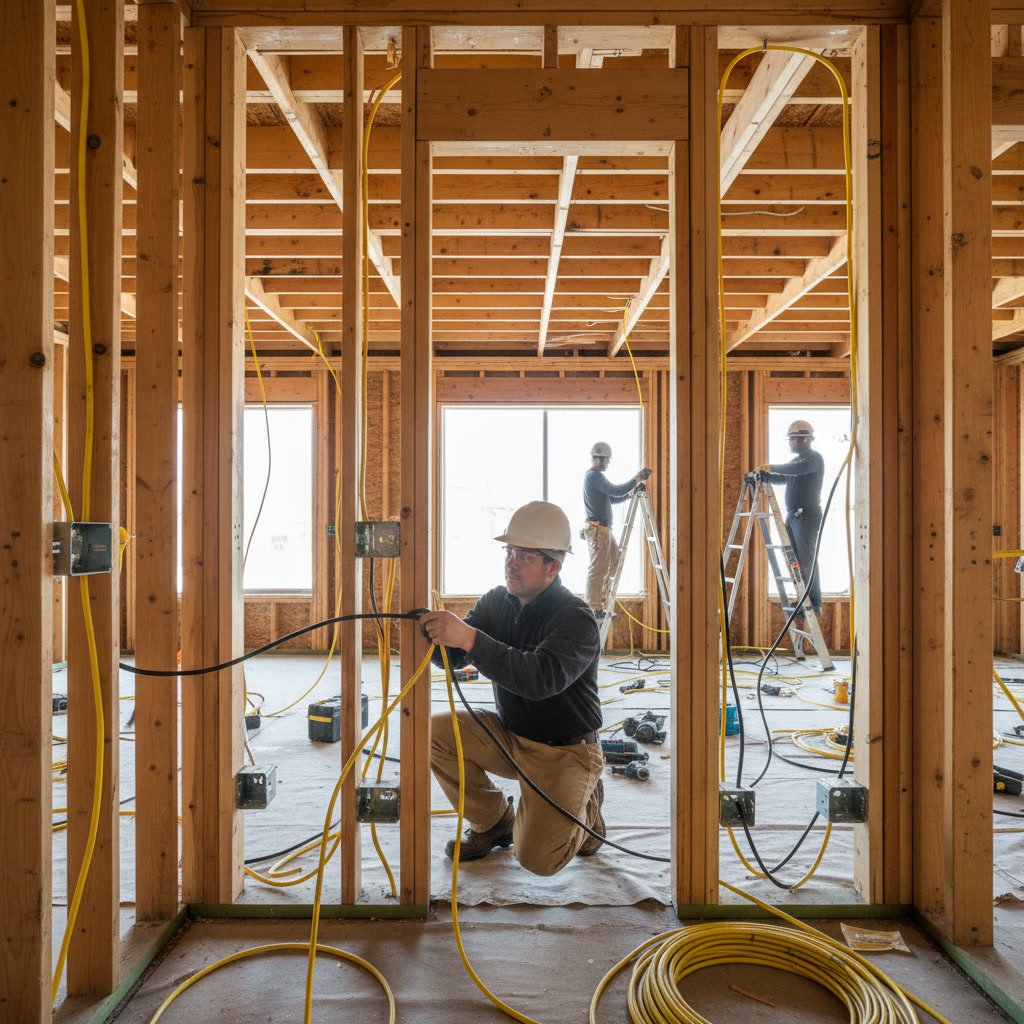
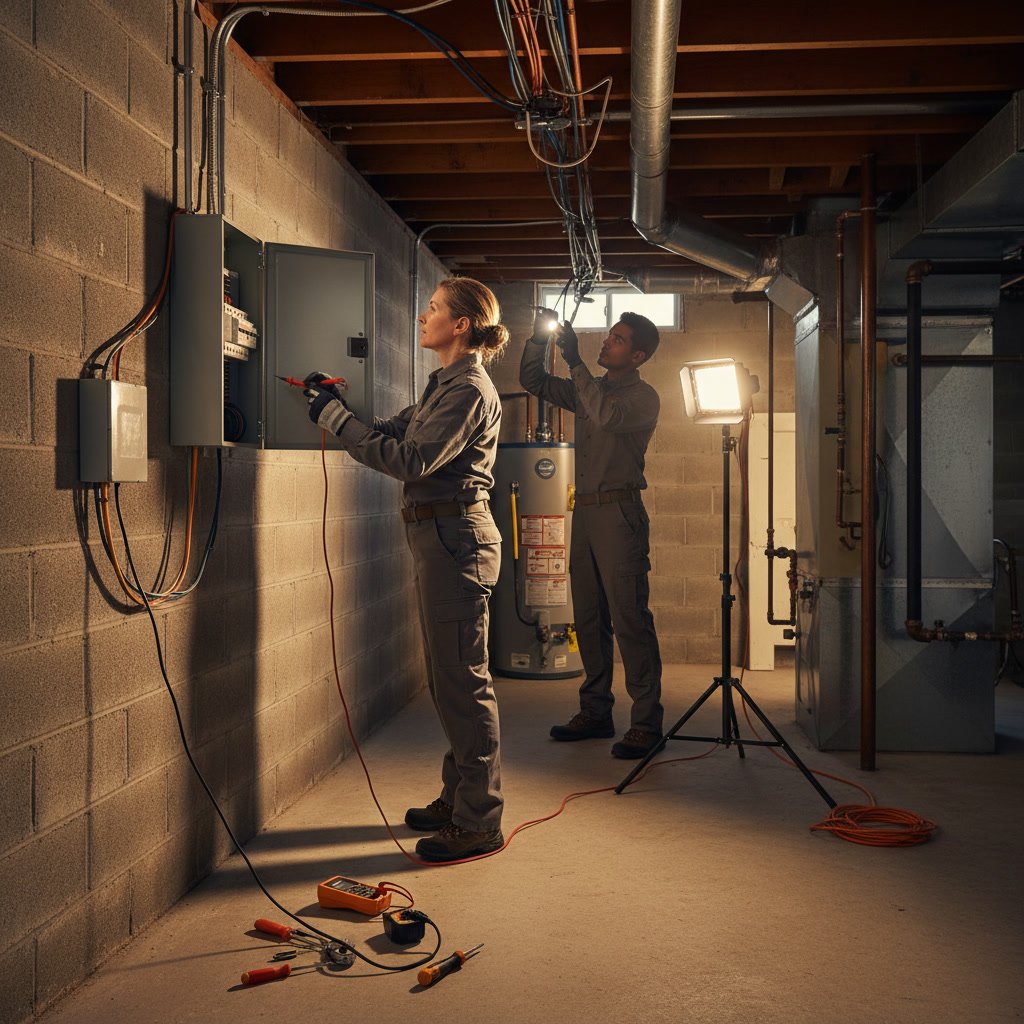
The inspector examines visible wiring in your basement, attic, garage, and crawl spaces. They identify the type of wiring in your home, whether modern copper with plastic insulation, older aluminum wiring that requires special handling, or outdated materials like knob-and-tube or cloth-wrapped wiring that should be replaced.
All wire connections get scrutinized for proper installation. Loose connections create resistance that generates heat, potentially causing fires inside your walls. Inspectors check junction boxes to ensure they have proper covers and that wires are secured with appropriate connectors rather than electrical tape. They verify that wiring is protected from physical damage and properly supported, not draped across joists or lying on insulation.
Outlet and Switch Safety Checks Across Your Greenville Home
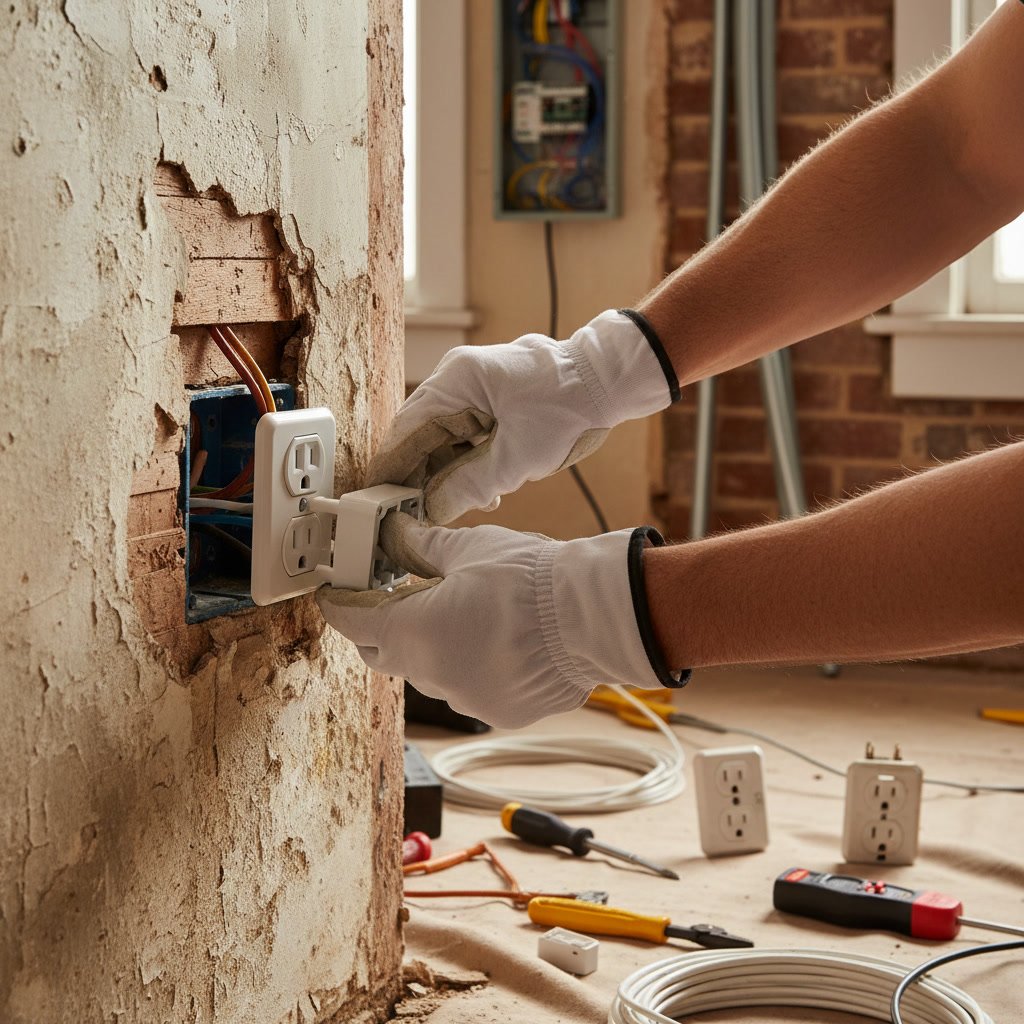
Every accessible outlet and switch gets tested during a thorough inspection. The inspector uses specialized tools to verify outlets are properly grounded and wired correctly, because reversed polarity creates shock hazards even though everything appears to work normally. They check that three-prong outlets actually have a ground connection, since some older homes have three-prong outlets installed over two-wire systems with no ground.
Ground Fault Circuit Interrupter outlets are required in areas exposed to moisture like bathrooms, kitchens, garages, and outdoor locations. Inspectors test each GFCI to ensure it trips within milliseconds when it detects a ground fault, protecting you from potentially fatal shocks. They also check Arc Fault Circuit Interrupter breakers in bedrooms and living areas, which prevent fires caused by damaged wiring or faulty appliances.
Grounding and Bonding Systems Provide Critical Protection
Proper grounding protects you from shocks and prevents damage to sensitive electronics. Inspectors verify your electrical system has a proper ground connection, typically through a ground rod driven into the earth or a connection to metal water pipes. They check that the grounding system meets code requirements and provides a safe path for fault currents.
Bonding connects all metal components of your electrical system and other metal systems in your home, like plumbing and HVAC ducts, to prevent voltage differences that could shock you. The inspector ensures your main service panel, subpanels, and metal boxes are properly bonded. They also verify that newer systems like smart home upgrades integrate safely with your grounding system.
Step-by-Step Inspection Process From Start to Finish
A professional electrical inspection follows a systematic approach to catch every potential issue. Here is what happens during a typical inspection:
- The inspector reviews your electrical service entrance where power enters your home, checking the meter, weatherhead, and service cable for damage or improper installation.
- They open your main panel and examine every breaker, wire connection, and the panel itself for code violations and safety hazards.
- All visible wiring in accessible areas gets inspected for damage, proper installation methods, and correct wire sizing for the circuit amperage.
- Every outlet and switch in your home is tested with specialized equipment to verify proper wiring, grounding, and function.
- GFCI and AFCI devices are tested to ensure they provide the protection they were designed to deliver.
- The grounding and bonding system is inspected to verify it meets code requirements and provides adequate protection.
- Light fixtures and ceiling fans are checked for secure mounting and proper electrical connections.
- The inspector documents all findings and explains which issues require immediate attention and which are recommendations for future improvement.
Special Considerations for Generators and Backup Power
If your home has a backup generator, the inspector pays special attention to its installation and integration with your electrical system. Improperly installed generators create dangerous backfeed situations that can electrocute utility workers or damage your appliances. The inspector verifies you have a proper transfer switch that prevents your generator from sending power back into utility lines.
They check that your generator is sized appropriately for the circuits you want to power during an outage. The inspector also examines the generator’s fuel supply connection, exhaust system positioning, and distance from your home to prevent carbon monoxide poisoning. For homes considering backup power, understanding whole home generator costs helps with planning. Professional generator installation ensures safety and reliable operation when you need it most.
How Inspectors Identify Hidden Problems
Experienced electricians spot warning signs that indicate problems you cannot see. Discoloration around outlets suggests overheating from loose connections or overloaded circuits. Breakers that feel warm indicate they are carrying loads near their limit or beginning to fail. The smell of burning plastic or a fishy odor points to overheating wire insulation.
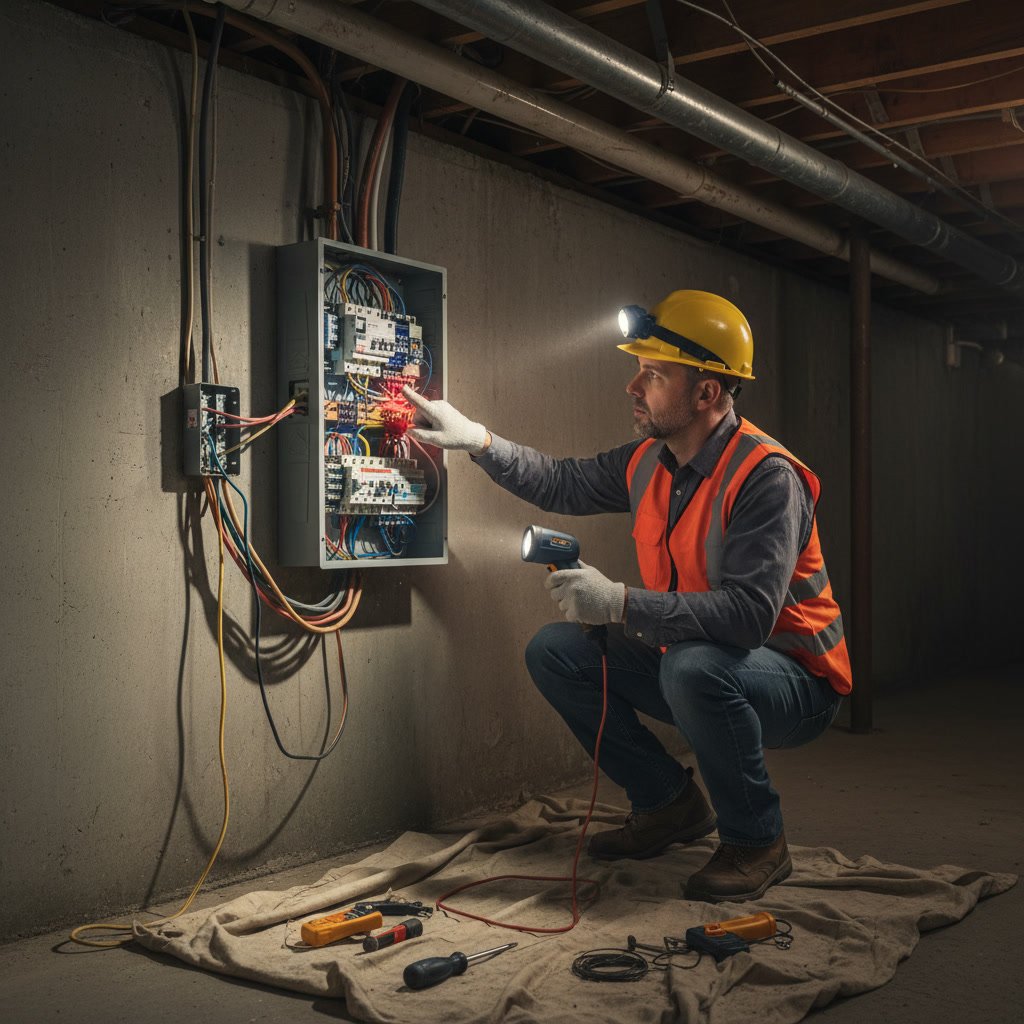
Inspectors use thermal imaging cameras to detect hot spots in panels and walls that indicate failing connections or overloaded circuits before they cause fires. They measure voltage at various points in your system to identify problems with your utility connection or internal wiring issues. Load calculations determine whether your service panel and individual circuits can safely handle your electrical demands, especially important if you plan additions or major appliances.
Understanding Your Inspection Report and Next Steps
After completing the inspection, you receive a detailed report documenting every finding. The best reports include photographs showing specific problems and clear explanations of what needs attention. Issues are typically categorized by priority: immediate safety hazards that need correction before you occupy the home, recommended repairs to bring the system up to current code, and optional improvements that enhance safety or functionality.
The report should specify which items violate current electrical codes and which are grandfathered installations that were legal when installed but do not meet modern standards. Understanding this distinction helps you prioritize repairs and negotiate if you are buying a home. Professional electricians who perform testing and repair work can address the issues identified in your inspection report efficiently and safely.
Protecting Your Home and Family Through Professional Inspection
Regular electrical inspections provide peace of mind that your home’s electrical system operates safely and efficiently. The relatively small investment in a professional inspection prevents the devastating consequences of electrical fires, protects your family from shock hazards, and often reveals opportunities to reduce energy costs through upgrades. Catching problems early costs far less than emergency repairs after failure or damage.
Your electrical system is too important to ignore until something goes wrong. Whether you live in an older home that has never been inspected, recently purchased a property, or simply want assurance your family is safe, a thorough electrical inspection from qualified professionals identifies hidden hazards and gives you a clear roadmap for maintaining your home’s electrical health.
Maccripine Electric Service LLC brings over 18 years of experience inspecting and servicing electrical systems throughout eastern North Carolina. Our licensed electricians provide thorough inspections that identify safety hazards and code violations before they threaten your home or family. Call +12528135015 to schedule your electrical inspection and get the expert service your home deserves.