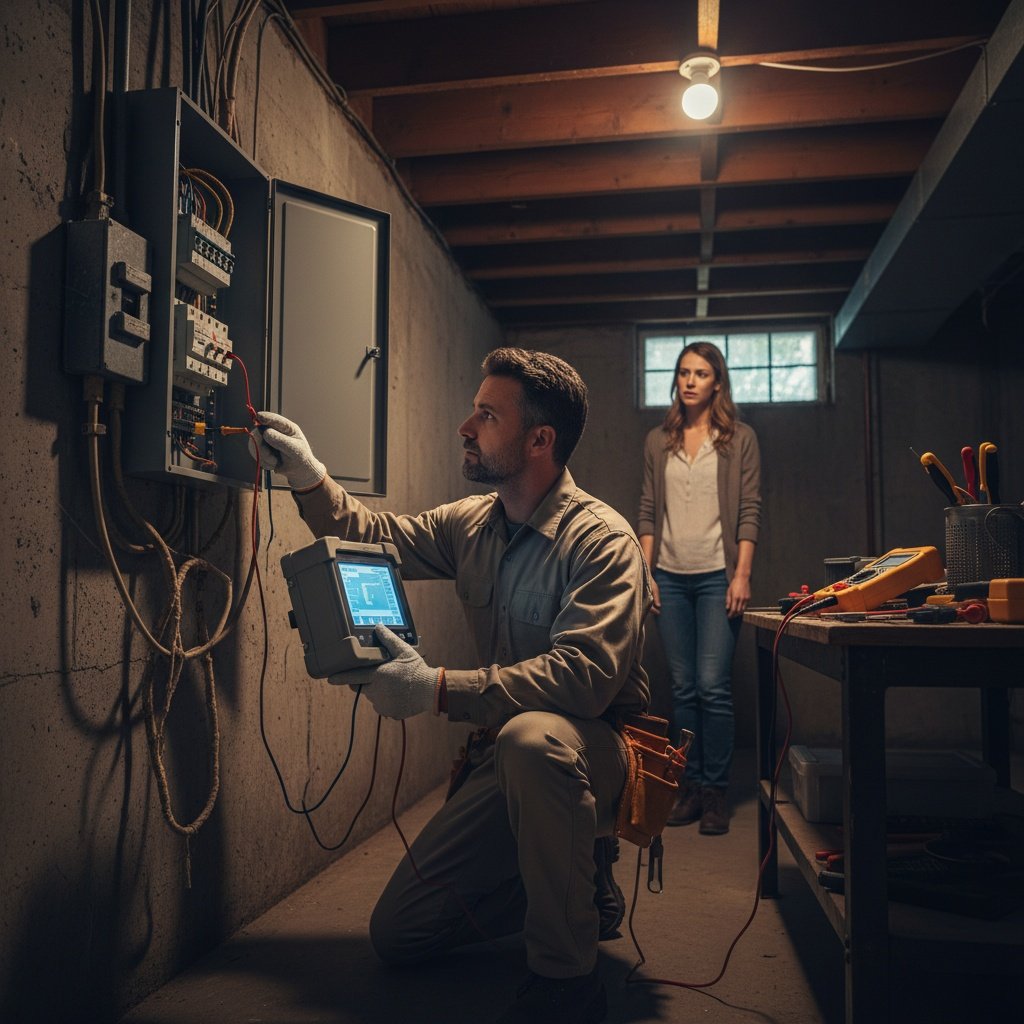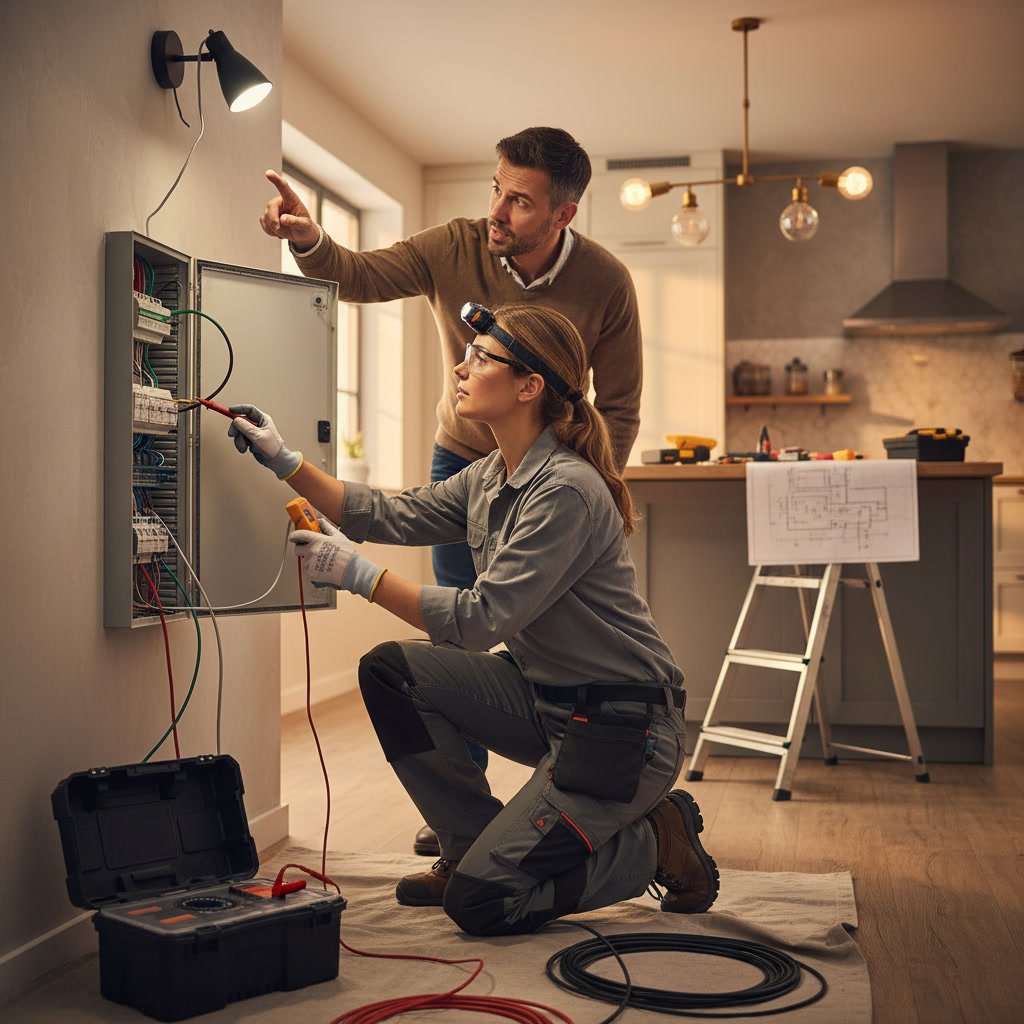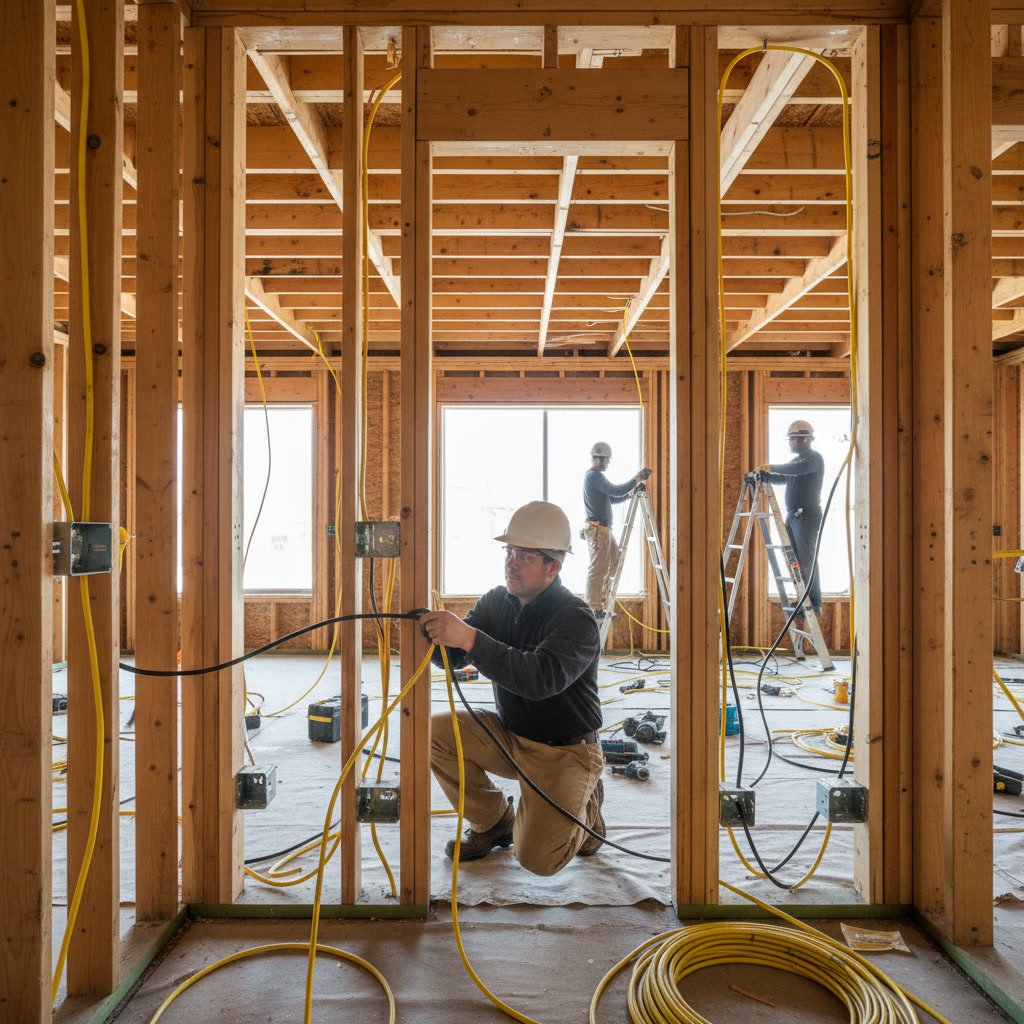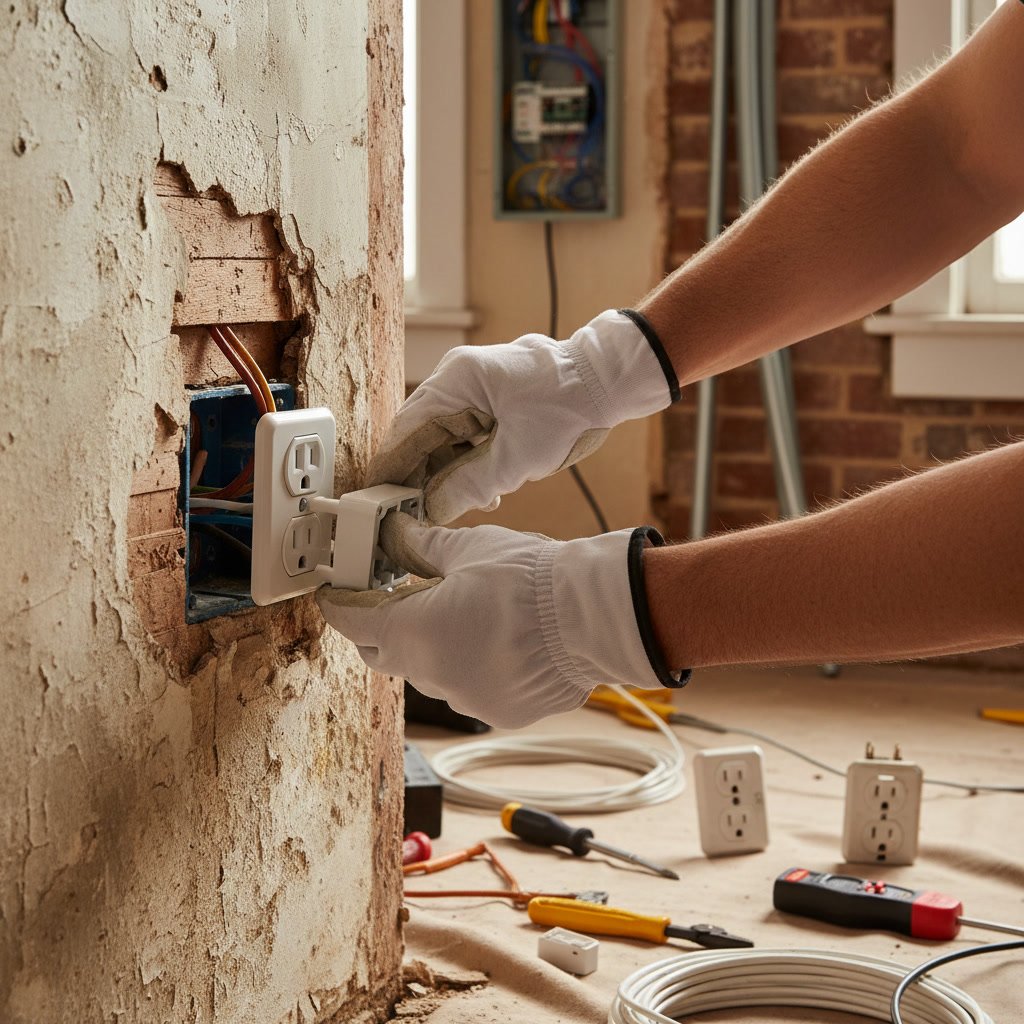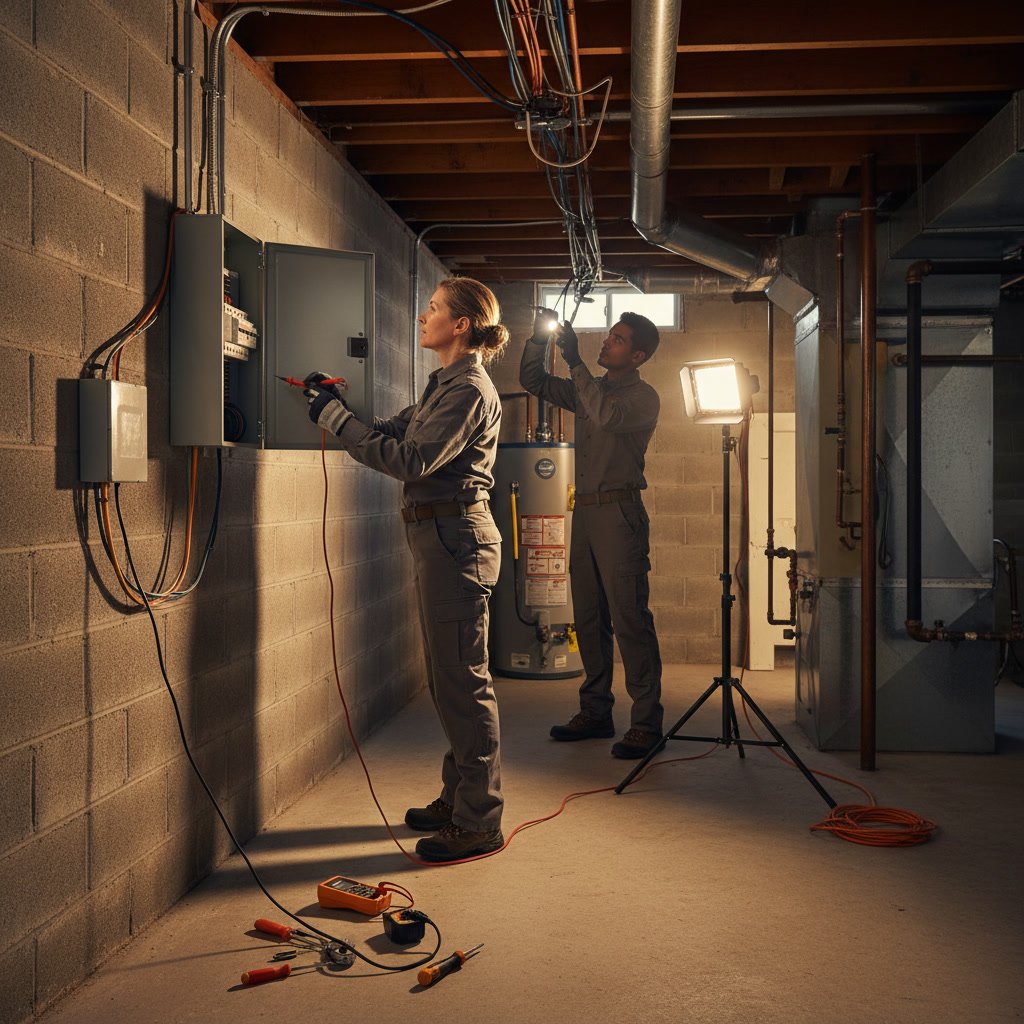
A home electrical service upgrade becomes necessary when your electrical panel can no longer safely handle the power demands of your household. Most homes built before 1990 were equipped with 100-amp service, but today’s appliances, electronics, and electric vehicle chargers often require 200-amp service or higher. Recognizing the warning signs early prevents fire hazards, equipment damage, and costly emergency repairs.
Understanding Your Home’s Electrical Capacity
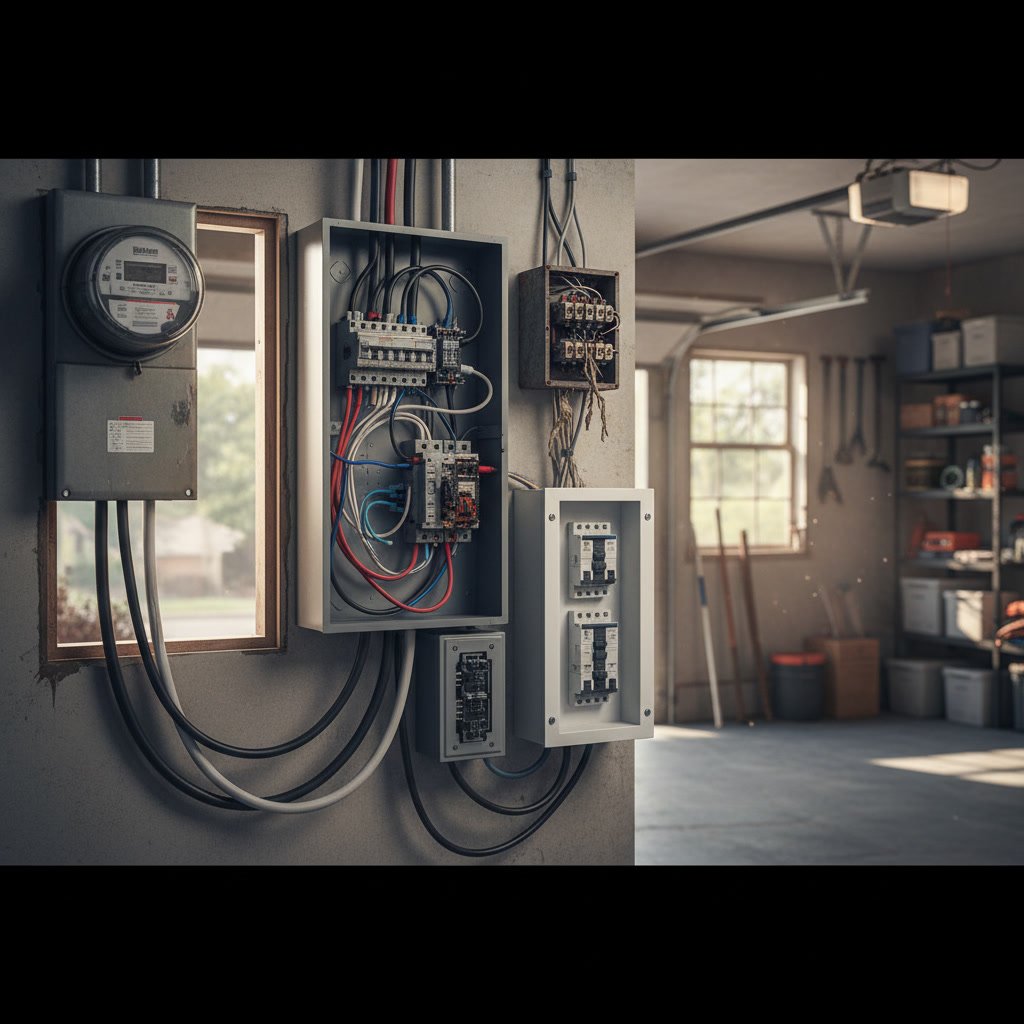
Your electrical service is the main power supply that enters your home from the utility company. It includes the meter base, main disconnect, and service panel where circuit breakers distribute electricity throughout your house. The amperage rating determines how much total power your home can use at once.
Older homes typically have 60-amp or 100-amp service. Modern households with multiple refrigerators, computers, air conditioning systems, and charging stations need substantially more capacity. When you exceed your panel’s rated capacity, breakers trip frequently or, worse, fail to trip when they should, creating dangerous overload conditions.
Warning Signs Your Panel Is Outdated
Certain physical indicators reveal when your electrical system has reached the end of its safe service life. Federal Pacific, Zinsco, and Pushmatic panels manufactured between the 1950s and 1980s are known fire hazards that fail to trip during overloads. Insurance companies often refuse coverage or charge higher premiums for homes with these obsolete panels.
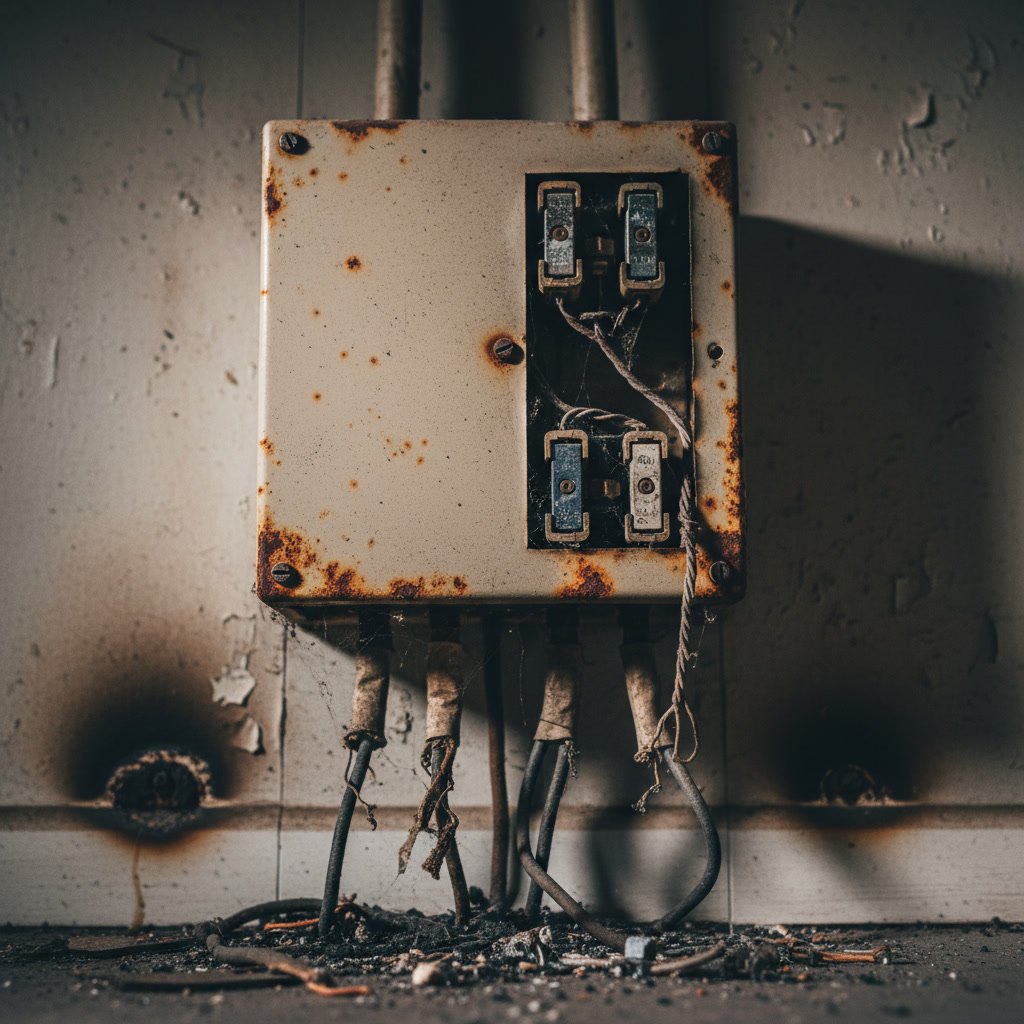
Rust, corrosion, or burn marks inside your panel box signal moisture intrusion or arcing. These conditions compromise the integrity of connections and increase resistance, generating dangerous heat. Any discoloration around breakers or a burning smell near the panel requires immediate professional testing and likely replacement.
Frequent Breaker Trips and Power Issues
Breakers that trip regularly when you run multiple appliances indicate your system is overloaded. While resetting a breaker occasionally is normal, weekly or daily trips mean the circuits cannot handle your actual power consumption. This pattern stresses wiring and breaker components, accelerating failure.
Dimming or flickering lights when motors start, such as when your air conditioner kicks on or someone uses a hair dryer, show voltage drop from insufficient capacity. Your panel should maintain stable voltage across all circuits regardless of momentary demand spikes. Consistent dimming means you’ve outgrown your service.
Comparing 100-Amp vs 200-Amp Service Requirements
A 100-amp service provides 24,000 watts of total capacity at 240 volts. After accounting for the 80 percent continuous load limitation electrical codes require, you have approximately 19,200 watts available for actual use. A central air conditioner consumes 3,500 to 5,000 watts, an electric range uses 3,000 to 5,000 watts, and a water heater draws 4,000 to 5,500 watts.
Adding these major appliances alone brings you near or over safe capacity before counting lighting, computers, televisions, and smaller devices. A 200-amp service doubles available capacity to approximately 38,400 watts of usable power, accommodating modern loads with room for future expansion. Most service upgrades move from 100 to 200 amps, though some situations require 400-amp service.
Homes planning to add electric vehicle charging stations, backup generators, hot tubs, or workshops especially benefit from the larger service. The upgrade also future-proofs your home as more appliances transition to electric operation for energy efficiency.
Using Extension Cords and Power Strips Constantly
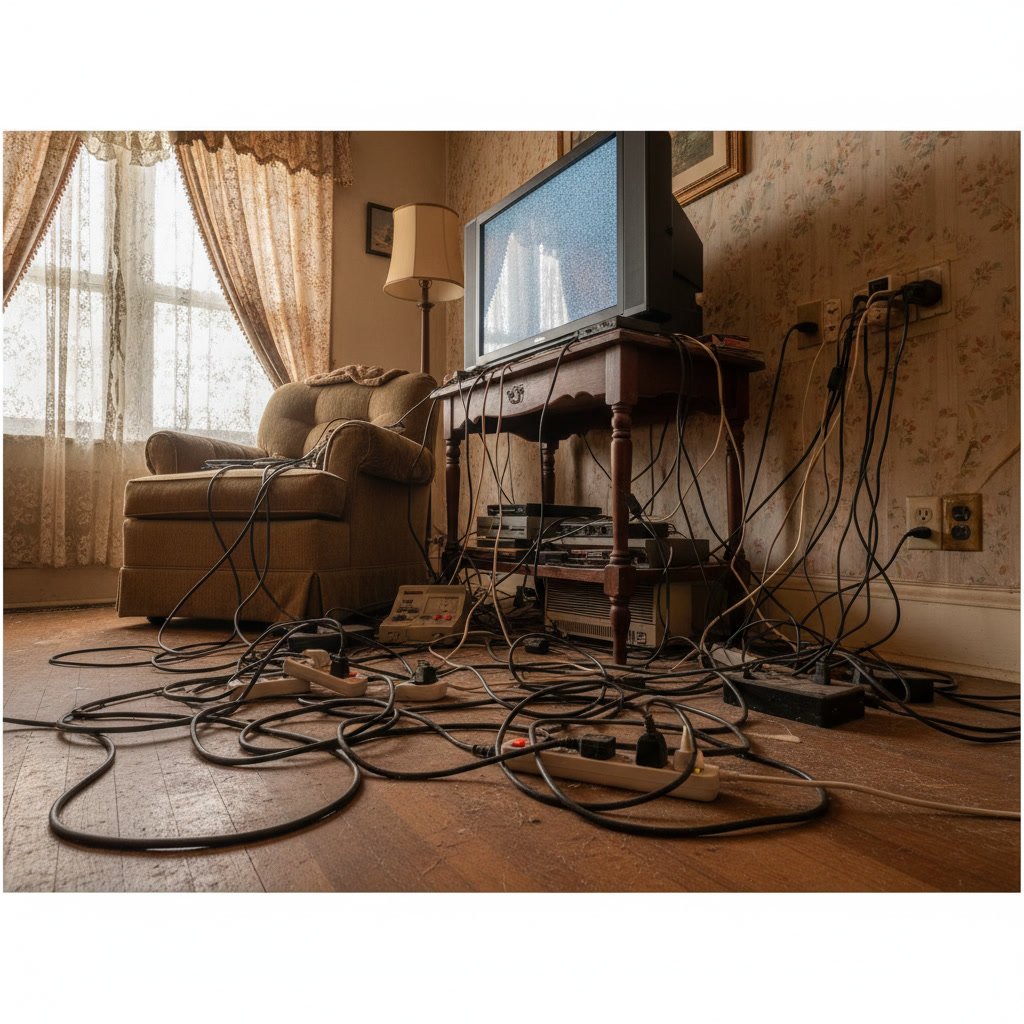
Reliance on extension cords and multi-outlet adapters throughout your home reveals insufficient outlet capacity. While convenient temporarily, permanent use of these devices indicates your fixed wiring cannot serve your needs. Extension cords create additional connection points where resistance generates heat and fire risk increases.
When you find yourself daisy-chaining power strips or running cords under rugs and through walls, your electrical system needs expansion. A proper upgrade includes adding dedicated circuits for high-demand areas rather than overloading existing circuits with adapters. This approach both increases safety and improves convenience.
Planning Major Renovations or Additions
Any significant home remodel or room addition requires evaluation of electrical capacity. Kitchen renovations that add high-power appliances, basement finishing that creates living space, or garage conversions place new demands on your system. Building permits for these projects often trigger code requirements that mandate service upgrades when existing capacity is inadequate.
Completing the service upgrade before other construction begins saves money and disruption. Electricians can route new circuits efficiently when walls are open rather than fishing wires through finished spaces later. The upgrade also ensures your renovation doesn’t overload circuits or create code violations that fail inspection.
Installing High-Power Equipment in Greenville Homes
Specific equipment additions often exceed the capacity of older electrical services. Level 2 electric vehicle chargers require dedicated 40 to 60-amp circuits. Whole-home standby generators need automatic transfer switches and dedicated feed circuits that may total 200 amps by themselves. Central air conditioning systems, especially multi-zone or high-efficiency models, draw substantial current during startup.
Heat pumps, tankless water heaters, and induction cooktops all impose higher electrical demands than their conventional counterparts. Before installing any of these technologies, have a licensed electrician calculate your total load to determine whether your current service supports the addition. Many homeowners in the Greenville area discover their older panels require upgrades when modernizing heating and cooling systems.
Recognizing Aluminum Wiring and Two-Prong Outlets
Homes built between 1965 and 1973 often contain aluminum branch circuit wiring, which expands and contracts more than copper, loosening connections over time. These loose connections create high-resistance hot spots that ignite surrounding materials. While aluminum wiring itself can remain serviceable with proper maintenance, it frequently indicates an entire electrical system that needs modernization.
Two-prong outlets throughout your home signal the absence of grounding conductors, a safety feature required by modern codes. Ungrounded circuits cannot protect you from shock hazards or safeguard sensitive electronics from power surges. Upgrading service provides the opportunity to install proper grounding and replace outdated wiring methods with current-code compliant materials.
Insurance and Resale Value Considerations
Insurance underwriters increasingly scrutinize electrical systems during home inspections. Policies may exclude electrical fire damage or require higher premiums when obsolete panels, aluminum wiring, or inadequate service capacity are present. Some carriers mandate upgrades as a condition of coverage renewal. Proactively upgrading your service eliminates these insurance complications and may qualify you for premium reductions.
Real estate transactions commonly stall when home inspections reveal electrical deficiencies. Buyers request price concessions or walk away entirely from homes with outdated systems. A modern, code-compliant electrical service increases property value and marketability. The upgrade cost typically returns through higher sale prices and faster transactions when you eventually sell.
Code Requirements and Permit Processes
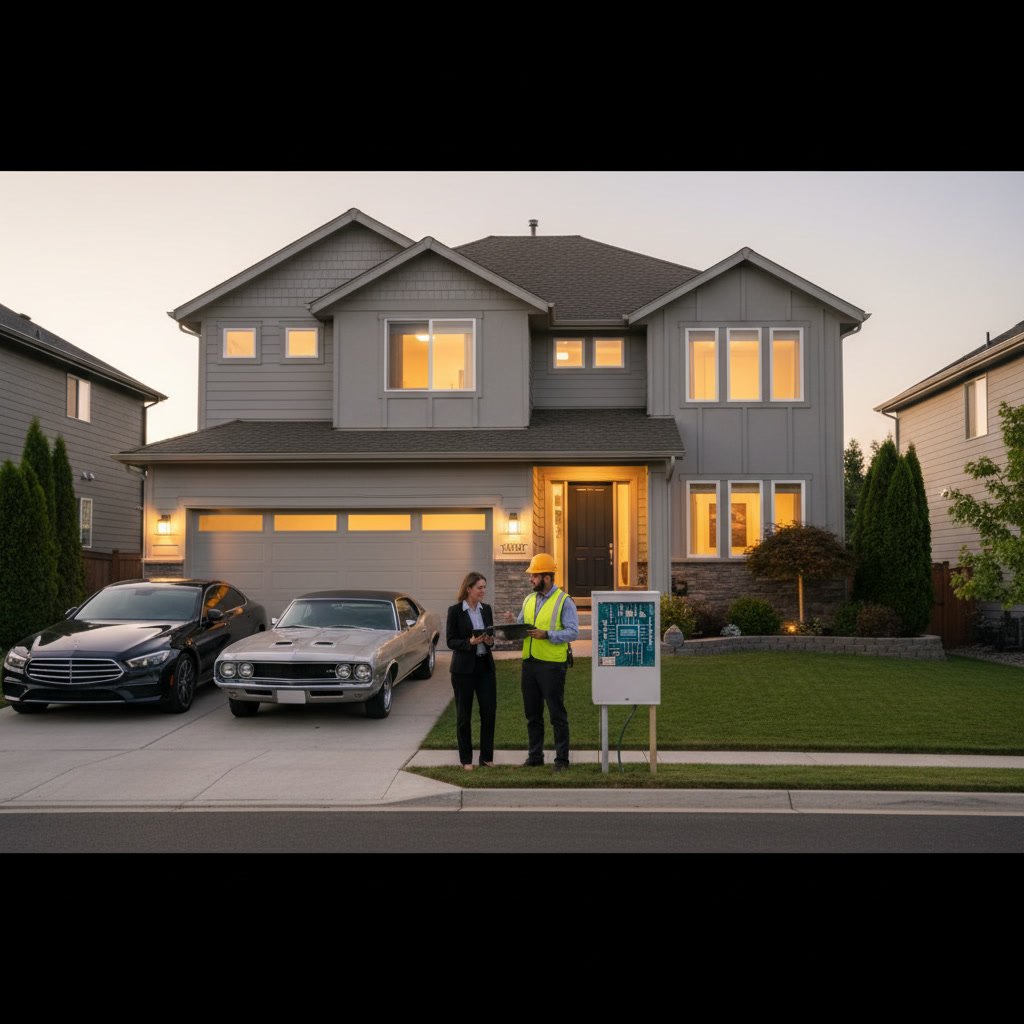
Electrical codes evolve to address safety concerns identified through research and incident investigation. Service upgrades must meet current National Electrical Code standards and local amendments, which exceed requirements in place when your home was built. Licensed electricians ensure upgrades include arc-fault protection, proper grounding methods, and adequate clearances.
Permits are mandatory for service changes and involve plan review, inspection during installation, and final approval before the utility reconnects power. Working with experienced contractors who understand permit procedures prevents delays and ensures code compliance. Unpermitted electrical work creates liability, voids warranties, and causes problems during insurance claims or property sales.
Protecting Your Investment and Family Safety
Electrical failures cause approximately 51,000 home fires annually in the United States, resulting in hundreds of deaths and over one billion dollars in property damage. Outdated electrical systems contribute significantly to these statistics. Upgrading service addresses root causes before they create emergencies, protecting both your family and your largest financial asset.
Beyond immediate safety, proper electrical capacity supports the increasingly digital lifestyle modern families lead. Reliable power prevents data loss, protects expensive electronics from voltage fluctuations, and eliminates the frustration of constantly managing circuit loads. The upgrade transforms your electrical system from a limitation into an asset that enhances daily life.
Maccripine Electric Service LLC has completed hundreds of residential electrical work projects throughout eastern North Carolina over 18 years. Our licensed electricians assess your specific needs, calculate accurate load requirements, and design upgrades that meet code while staying within budget. Whether you’re addressing safety concerns, preparing for renovations, or adding modern appliances, proper service capacity forms the foundation of a reliable electrical system.
If you’ve noticed any of the warning signs discussed or are planning changes that increase electrical demand, contact Maccripine Electric Service LLC at +12528135015 to schedule a comprehensive electrical evaluation. Our team serves homeowners throughout Greenville and surrounding communities with professional service upgrades designed for safety, compliance, and long-term reliability.