Power outages in North Carolina can last hours or even days, especially during hurricane season and severe winter weather. A whole home generator keeps your lights on, your food fresh, and your family comfortable when the grid goes down. But before you invest in peace of mind, you need to understand the whole home generator cost and what drives the final price tag.
This guide breaks down equipment prices, installation expenses, and the factors that influence your total investment. You’ll learn what to expect at every budget level and how to make an informed decision about backup power for your home.
Average Whole Home Generator Costs in North Carolina
The whole home generator cost in North Carolina typically ranges from $7,000 to $20,000 for a complete installation. This wide range reflects differences in home size, power requirements, equipment quality, and installation complexity.
For a typical 2,000 square foot home, expect to invest between $10,000 and $15,000 for a quality standby generator system that powers essential circuits and key appliances. Larger homes or those requiring full-house coverage often fall in the $15,000 to $20,000 range.
These figures include both the generator unit and professional installation. Breaking it down further helps you understand where your money goes.
Equipment Costs
The generator itself accounts for roughly 60-70% of your total investment. Home standby generators range from $4,000 for basic 10-12 kW units to $12,000 or more for premium 26-30 kW models with advanced features.
Mid-range generators in the 16-20 kW capacity typically cost between $5,500 and $8,000 for the unit alone. These provide enough power for most homes to run heating and cooling systems, refrigerators, lighting, and select appliances during an outage.
Installation Costs
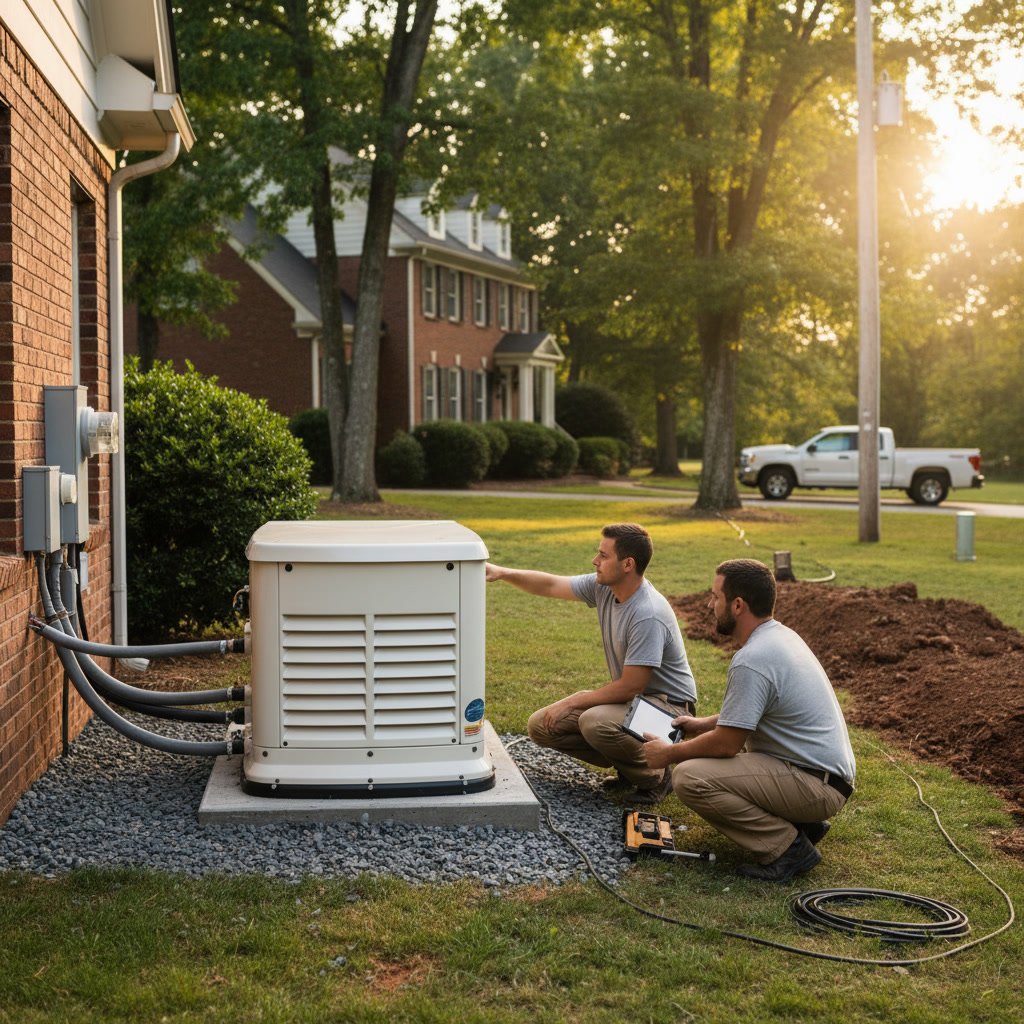
Professional installation typically adds $3,000 to $8,000 to your project. This covers electrical work, gas line installation or propane tank connection, concrete pad preparation, permit fees, and final inspection.
Installation costs vary based on how far the generator sits from your electrical panel, whether you need gas line extensions, and local permit requirements in areas like Greenville, Wilson, or Tarboro.
Factors That Influence Your Total Investment
Several variables affect what you’ll actually pay for a whole home generator system. Understanding these helps you budget accurately and avoid surprise costs.
Generator Size and Capacity
Generator capacity, measured in kilowatts (kW), directly impacts price. A 10 kW unit might power essential circuits, while a 24 kW system can run your entire home including central air conditioning.
Sizing requires calculating your home’s power needs during an outage. Most electricians perform a load calculation to determine the right capacity, considering your HVAC system, well pump if applicable, major appliances, and desired coverage level.
Oversizing wastes money on unused capacity. Undersizing means choosing between running your air conditioner or your refrigerator during summer outages.
Fuel Type Selection
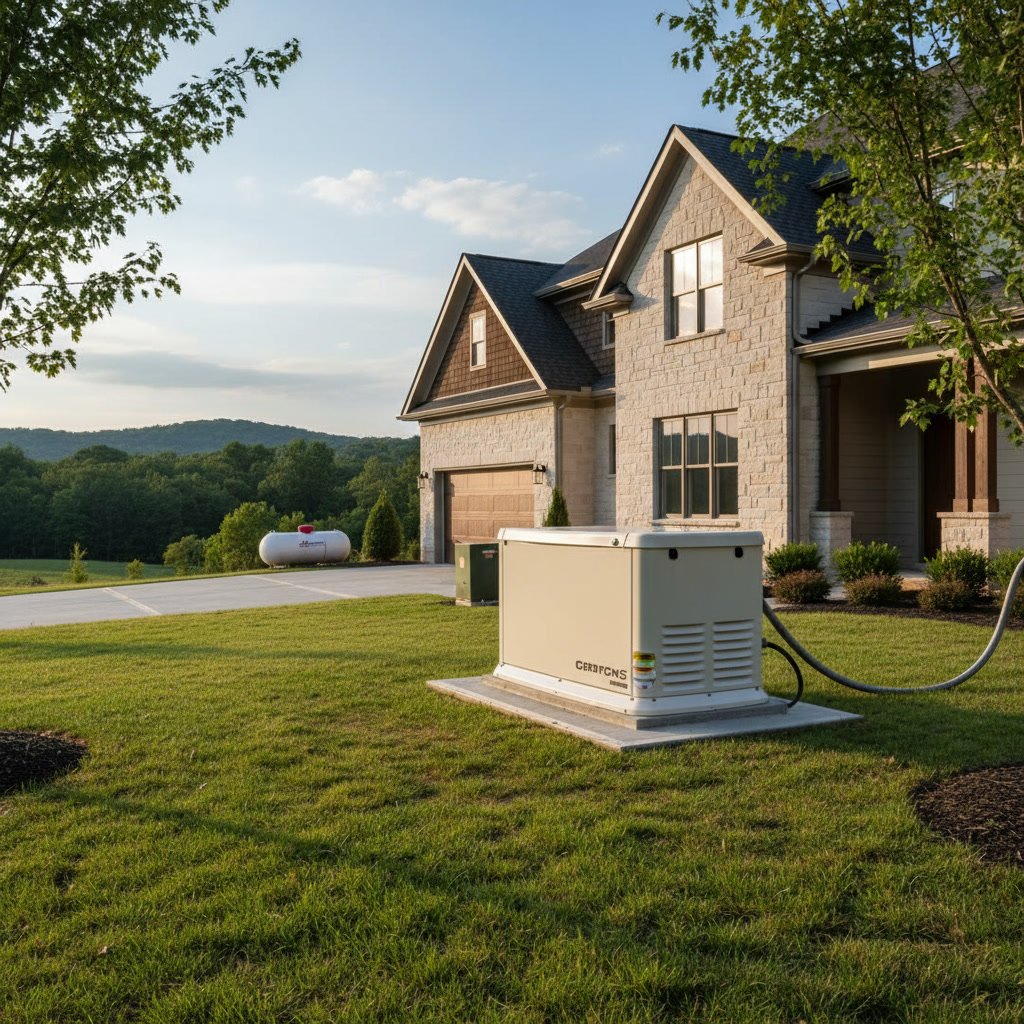
Natural gas generators connect to your existing gas line, offering convenient automatic operation. Propane generators require a tank installation, which adds $500 to $3,000 depending on tank size and placement requirements.
In rural areas around Fountain, Farmville, and Snow Hill, propane is often the practical choice since natural gas lines aren’t available. Tank installation becomes a necessary part of your budget.
Diesel generators exist but are less common for residential applications due to fuel storage requirements and higher maintenance needs.
Installation Complexity
Simple installations cost less. If your electrical panel is easily accessible, your gas line runs close to the planned generator location, and the site requires minimal preparation, installation falls on the lower end of the price spectrum.
Complex installations drive costs up. Running a new gas line 100 feet, upgrading your electrical panel to accommodate the generator connection, or dealing with challenging terrain all add labor hours and materials.
Transfer switch selection also matters. Manual transfer switches cost $300 to $800, while automatic switches range from $800 to $2,000. Most homeowners choose automatic switches for true hands-off operation during outages.
Brand and Features
Premium brands like Generac, Kohler, and Briggs & Stratton command higher prices but typically offer better warranties, quieter operation, and more reliable performance. Budget brands save money upfront but may cost more in repairs over the generator’s lifespan.
Features like WiFi connectivity, advanced monitoring, aluminum enclosures for coastal areas, and enhanced sound dampening add to the base price. Decide which features genuinely improve your experience versus those that simply inflate the cost.
Breaking Down Installation Requirements
Professional installation ensures your generator operates safely and complies with North Carolina electrical codes. Several components make up the complete installation process.
Electrical Work and Permits
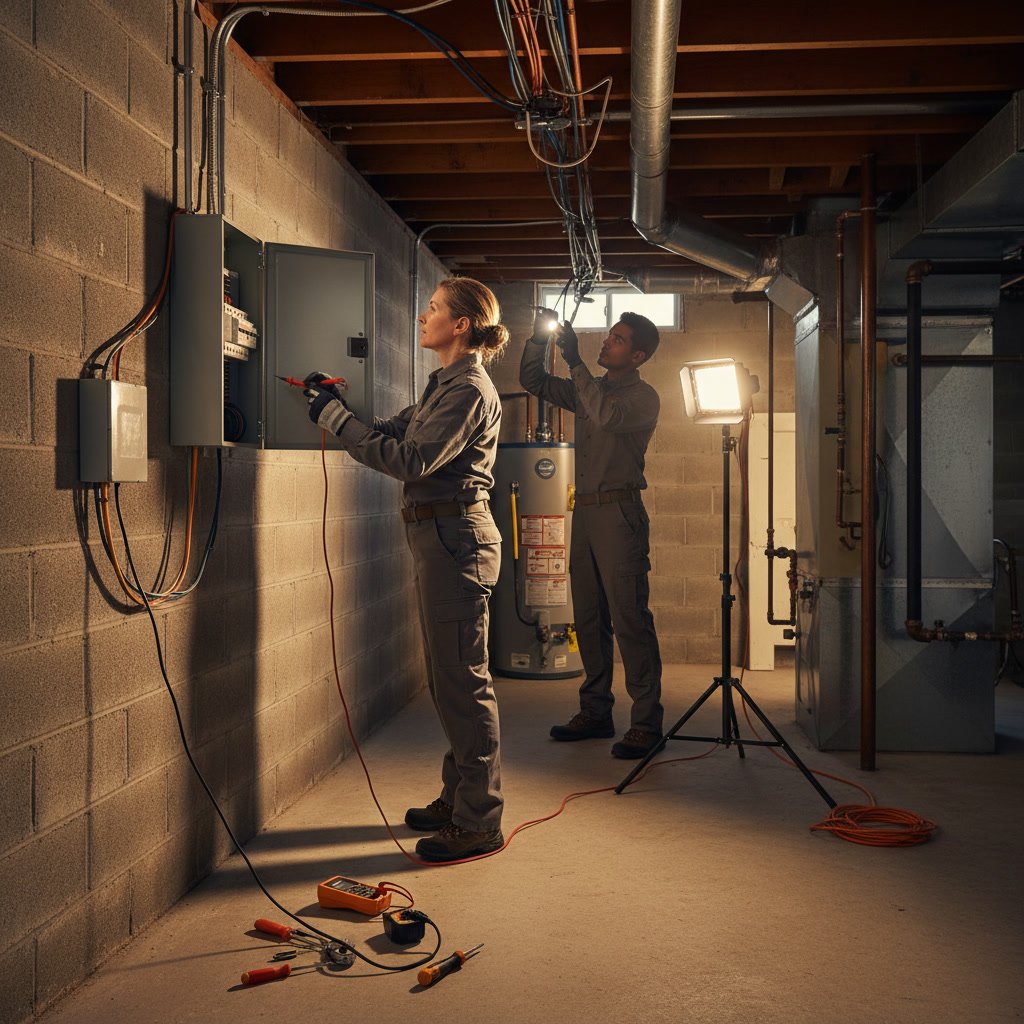
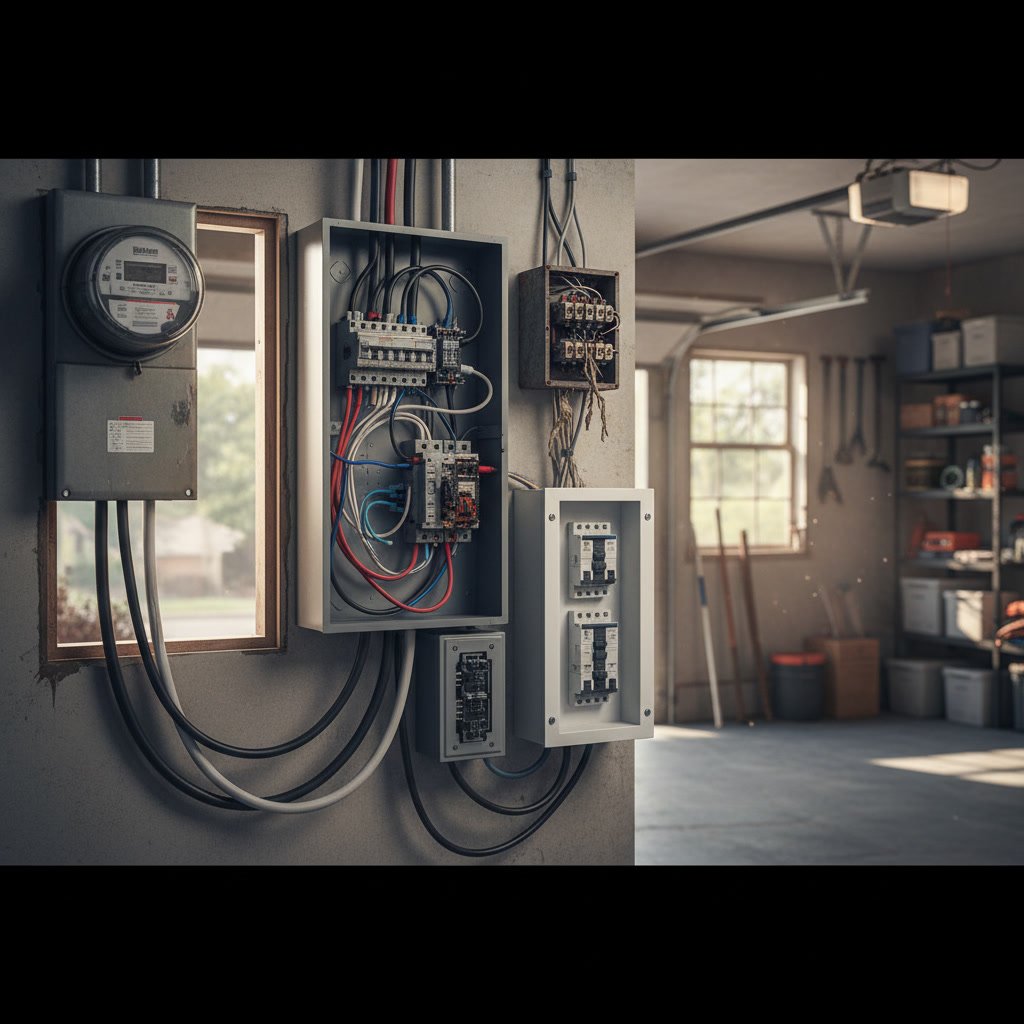
Licensed electricians install the transfer switch that connects your generator to your home’s electrical system. This critical component automatically switches power sources when the grid fails and restores utility power when it returns.
Permit fees in North Carolina counties typically run $100 to $300. Your electrician should pull permits and schedule required inspections as part of the installation service.
Some homes need electrical panel upgrades before generator installation, especially older homes with 100-amp service or outdated panels. Budget an additional $1,500 to $3,000 if panel replacement becomes necessary.
Fuel Line Installation
Natural gas installations require running a dedicated line from your meter to the generator location. This typically costs $500 to $2,000 depending on distance and any obstacles like driveways or landscaping.
Propane installations include tank placement, which requires proper clearances from structures and property lines. A 250-gallon tank handles most residential generators and costs $1,500 to $2,500 installed, while 500-gallon tanks run $2,000 to $3,000.
Site Preparation
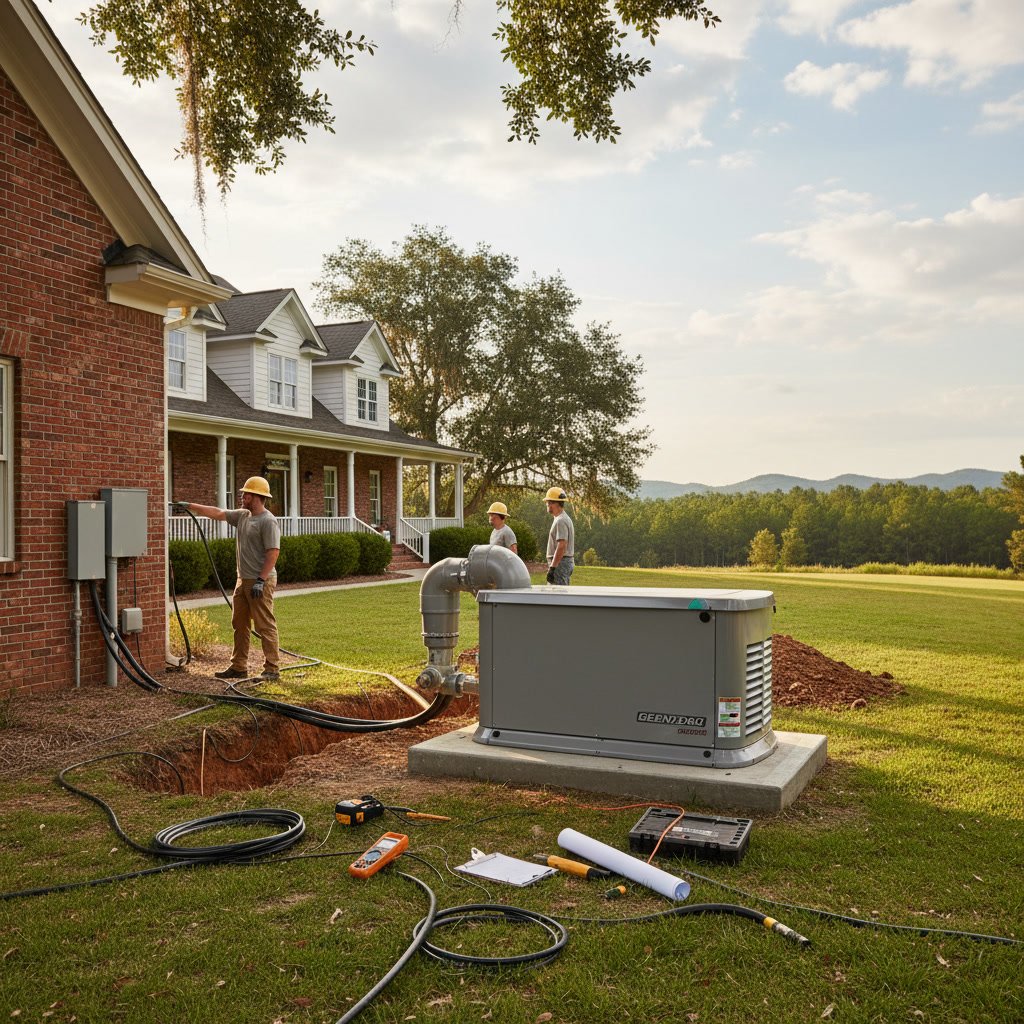
Generators need level, stable foundations. Most installations use a concrete pad 4 to 6 inches thick, sized to manufacturer specifications. Concrete work adds $400 to $1,200 to your project.
Some installers use composite pads or gravel bases, which cost less but may not provide the same long-term stability, especially in areas with clay soil or freeze-thaw cycles.
Placement matters for noise, code compliance, and maintenance access. Generators must sit at least 5 feet from windows and openings, with enough clearance for service access.
Long-Term Costs to Consider
The initial whole home generator cost represents just the beginning. Understanding ongoing expenses helps you calculate true lifetime ownership costs.
Maintenance and Servicing
Annual maintenance keeps your generator ready to perform when needed. Professional service visits cost $200 to $400 and include oil changes, filter replacement, battery checks, and system testing.
Skipping maintenance voids warranties and increases the risk of failure during actual outages. Budget for yearly service as part of your ownership costs.
Some components eventually wear out. Batteries last 3 to 5 years and cost $150 to $300 to replace. Major repairs after warranty expiration can run $500 to $2,000 depending on the issue.
Fuel Consumption
Generators only consume fuel during operation, but extended outages can get expensive. A 20 kW generator running at half load uses about 2 to 3 gallons of propane per hour or 200 to 250 cubic feet of natural gas.
A three-day outage might consume $150 to $300 in fuel, depending on load and fuel prices. Natural gas customers see this on their utility bill, while propane users need tank refills.
Insurance and Home Value
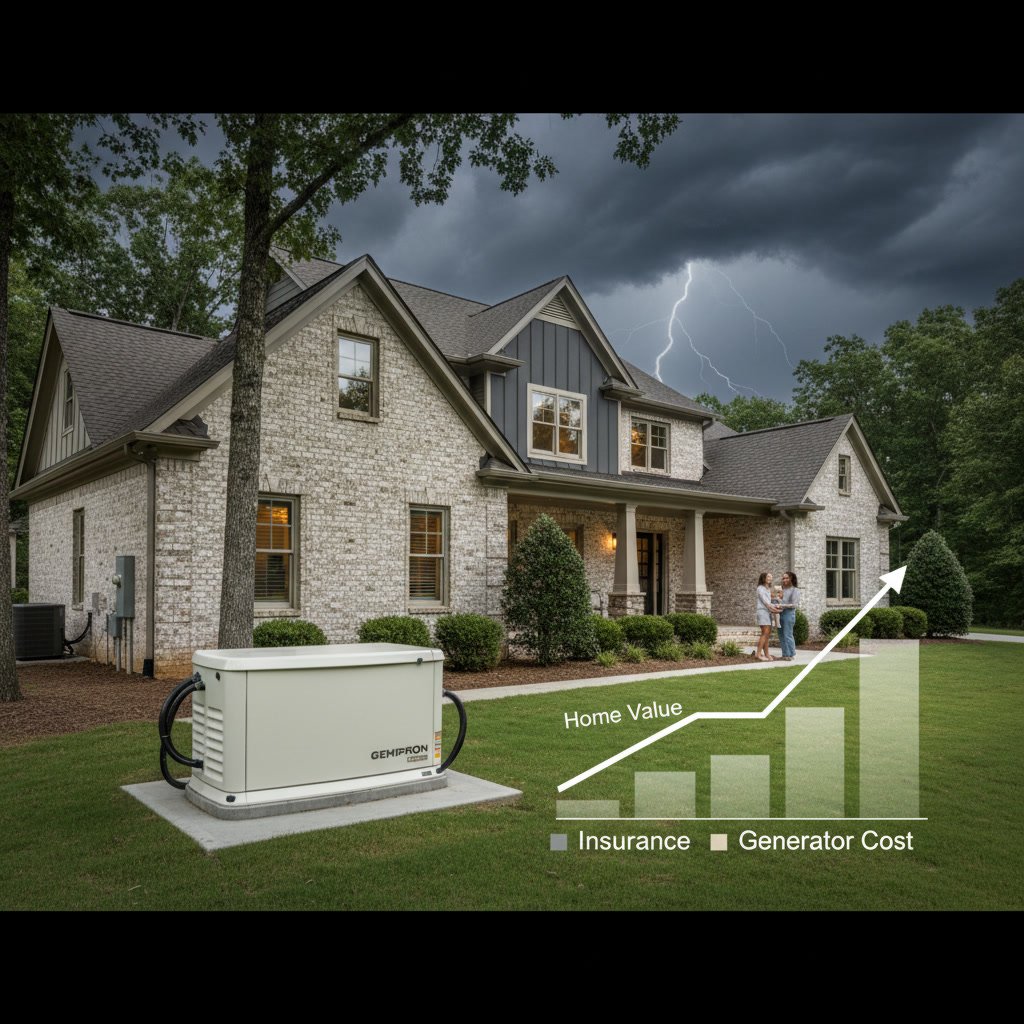
Some insurance companies offer small discounts for homes with standby generators since they reduce the risk of claims from spoiled food, frozen pipes, or storm damage during prolonged outages.
Whole home generators typically add $3,000 to $7,000 to your home’s resale value. The return on investment improves in areas with frequent outages where backup power is a significant selling point.
How to Reduce Generator Installation Costs
Smart planning can lower your investment without sacrificing quality or reliability. Consider these strategies to maximize value.
Right-Size Your System
Running every circuit in your home during an outage sounds appealing but costs significantly more than powering essentials. Work with your electrician to identify must-have circuits and size accordingly.
Most families stay comfortable during outages with one HVAC zone, the kitchen, a few bedrooms, and one bathroom. This approach might allow a 16 kW generator instead of a 24 kW unit, saving $2,000 to $4,000 on equipment alone.
Plan Generator Placement Strategically
Locating your generator close to your electrical panel and gas meter minimizes installation costs. Every additional foot of trenching, conduit, and wire adds to labor expenses.
If you’re building new or renovating, plan generator placement during design rather than adding it later. Coordinating with other trades saves money on site work.
Schedule During Off-Peak Seasons
Demand for generator installations spikes after major storms. Scheduling during slower seasons may provide more flexibility on timing and potentially better pricing.
Spring and fall often offer ideal weather for installation without the hurricane-season urgency that keeps electrical contractors booked solid.
Choosing the Right Contractor
Generator installation requires both electrical expertise and mechanical knowledge. Selecting a qualified contractor protects your investment and ensures code-compliant work.
Look for licensed electricians with specific generator installation experience. Ask how many units they install annually and which brands they recommend based on local climate and reliability.
Get detailed written estimates that break down equipment costs, labor, permits, and any additional work required. Comparing itemized quotes helps you evaluate true value rather than just the bottom line.
Verify that your contractor pulls permits and schedules inspections. Unpermitted work creates problems with insurance claims and home sales down the road.
Pro Tip: Ask your contractor about manufacturer rebates or utility company incentive programs. Some areas offer credits for installing generators that can connect to grid stabilization programs, reducing your net cost by several hundred dollars.
Is a Whole Home Generator Worth the Investment
Whether the whole home generator cost makes sense depends on your specific situation, risk tolerance, and budget priorities.
Homes with medical equipment, well water systems, or sump pumps gain significant value from automatic backup power. The investment protects health, water supply, and property from damage during extended outages.
Families who work from home or run home-based businesses can’t afford multi-day internet and power outages. A generator becomes a business expense that prevents lost income and maintains client commitments.
Even without critical needs, comfort and convenience matter. North Carolina’s combination of summer heat, winter ice storms, and hurricane exposure creates real risk of uncomfortable or even dangerous outage conditions.
Calculate how much you’d spend on hotels, spoiled food, and lost productivity during a typical multi-day outage. If that figure approaches or exceeds the annual cost of generator ownership (purchase price divided by expected 15 to 20 year lifespan plus maintenance), the investment makes financial sense.
Frequently Asked Questions
How long does a whole home generator installation take?
Most installations complete in one to two days for straightforward projects. Complex installations requiring extensive electrical work, long gas line runs, or challenging site conditions may take three to four days. Permit approval and equipment delivery extend the overall timeline to 2-4 weeks from initial consultation to final startup.
Can I install a whole home generator myself to save money?
Generator installation requires licensed electrician work to meet code requirements and maintain equipment warranties. Gas line work also requires proper licensing in North Carolina. DIY installation voids manufacturer warranties, creates safety hazards, and may result in failed inspections that cost more to correct than professional installation would have cost initially.
What size generator do I need for a 2,000 square foot home?
Most 2,000 square foot homes operate comfortably on 16 to 20 kW generators when powering essential circuits. Homes with electric heat, large air conditioning systems, or multiple major appliances may need 22 to 24 kW units. A proper load calculation from a licensed electrician determines the right size for your specific electrical demands and desired coverage.
How much does generator maintenance cost per year?
Annual professional maintenance typically costs $200 to $400 and includes oil and filter changes, battery testing, system diagnostics, and test runs. Some homeowners perform basic maintenance themselves, reducing costs to $75 to $150 for materials, though professional service is recommended to maintain warranty coverage and catch potential issues early.
Do whole home generators increase property taxes?
In North Carolina, permanently installed generators may increase your property’s assessed value, potentially raising property taxes slightly. The increase is typically modest relative to the generator’s full cost since tax assessments consider contributory value rather than installation cost. Check with your county tax assessor for specific guidance on how improvements are valued in your area.
Making Your Decision
Understanding the whole home generator cost helps you budget appropriately and set realistic expectations for your backup power investment. Equipment typically runs $4,000 to $12,000, installation adds $3,000 to $8,000, and ongoing maintenance costs $200 to $400 annually.
The right system size, fuel type, and features depend on your home’s power requirements, available utilities, and how much coverage you want during outages. Working with an experienced electrical contractor ensures proper sizing, code-compliant installation, and reliable operation when you need it most.
Maccripine Electric Service LLC provides professional standby generator sales, installation, and servicing throughout Fountain, Greenville, Winterville, Wilson, Farmville, and surrounding eastern North Carolina communities. With over 18 years of electrical experience, we help homeowners select the right generator for their needs and budget, handle all installation requirements, and provide ongoing maintenance to keep your system ready. Contact us at +12528135015 to discuss whole home generator options for your property.